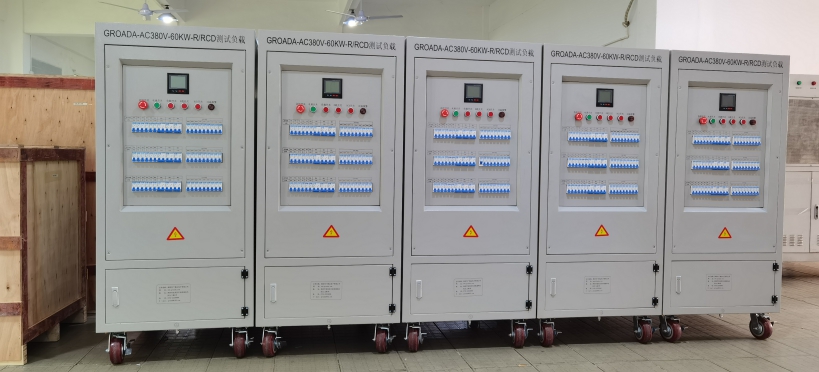
Portable load banks are essential tools for verifying the performance, reliability, and safety of electrical power systems such as generators, UPS (Uninterruptible Power Supply), and renewable energy inverters. These devices simulate real-world electrical loads to test equipment under controlled conditions—ensuring that power sources can deliver consistent voltage, current, and frequency during actual operation. A typical portable load bank includes resistive, reactive, or combination (RLC) load modules that allow engineers to replicate various load types found in industrial, commercial, or critical infrastructure environments. For instance, a 50 kW three-phase resistive load bank can be used to validate generator output capacity during factory acceptance tests (FATs) or commissioning phases. The design often features air-cooled resistors, modular construction, and remote monitoring via Modbus or Ethernet interfaces. According to IEC 60034-1, motors and generators must undergo mechanical and thermal testing under rated load conditions to ensure compliance with insulation class and temperature rise limits. Portable units must also meet CE/UL/CCC certifications for safety, especially when handling high currents up to 1,000 A per phase. In one anonymized case study from a hospital backup system upgrade, a 200 kVA portable resistive load bank was used to test the main diesel generator over a 4-hour duration at 80% load. The test revealed a 3% voltage drop under peak load, prompting corrective adjustments to the governor settings before full deployment. This kind of proactive testing reduces downtime risk and ensures regulatory compliance. Modern load banks now support digital control systems, automatic ramping, and data logging for post-test analysis—making them indispensable for predictive maintenance strategies. Whether used for routine checks or emergency readiness, portable load banks offer flexibility, accuracy, and peace of mind across industries including healthcare, data centers, oil & gas, and telecom.