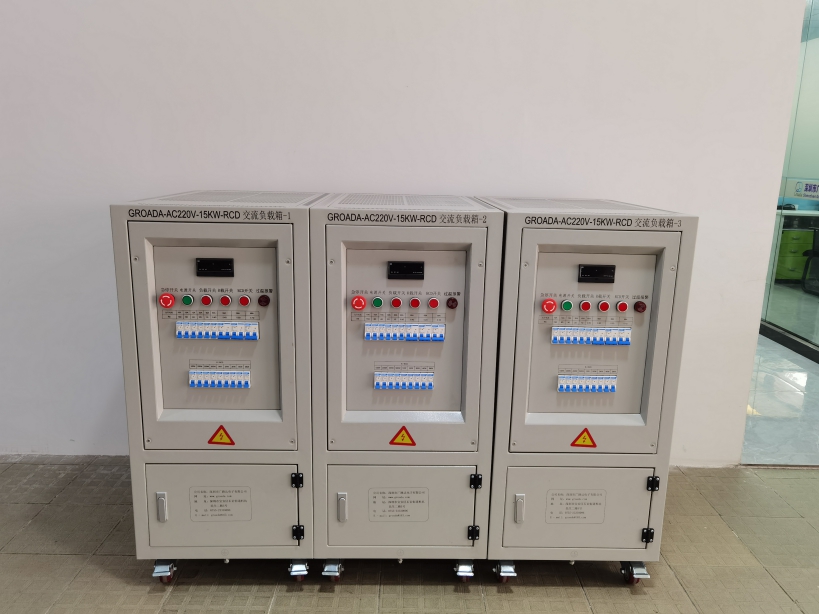
Load banks are essential tools used in testing power generation systems, such as diesel generators, UPS units, and renewable energy sources like wind turbines. They simulate real-world electrical loads to verify that a power source can perform under actual operating conditions—without relying on external equipment or live grid connections. By applying controlled resistive, reactive, or combined RLC (resistance-inductance-capacitance) loads, engineers can validate system stability, efficiency, and safety before deployment. For example, during factory acceptance testing (FAT), a 500 kW resistive load bank may be used to run a generator at 100% load for several hours to check for overheating, voltage regulation, and fuel consumption patterns. Similarly, reactive load banks help test the performance of alternators under varying power factor conditions—a critical requirement for industrial facilities where motor-driven equipment is common. Portable load banks, often mounted on trailers or wheeled chassis, enable mobile testing in remote locations such as construction sites or offshore platforms. Modern load banks include digital control interfaces like Modbus TCP/IP and RS-485 for remote monitoring and automation, making them ideal for smart grid applications. Compliance with international standards such as IEC 60034-1 (for rotating machines) and IEEE 1159 ensures safe and repeatable test results across different regions. Based on field data from multiple utility projects, using load banks reduces unexpected failures by up to 40%, particularly in critical infrastructure like hospitals or data centers. Whether you're commissioning a new generator, validating a microgrid, or performing routine maintenance, load banks offer a proven method to ensure your power system behaves predictably under stress.