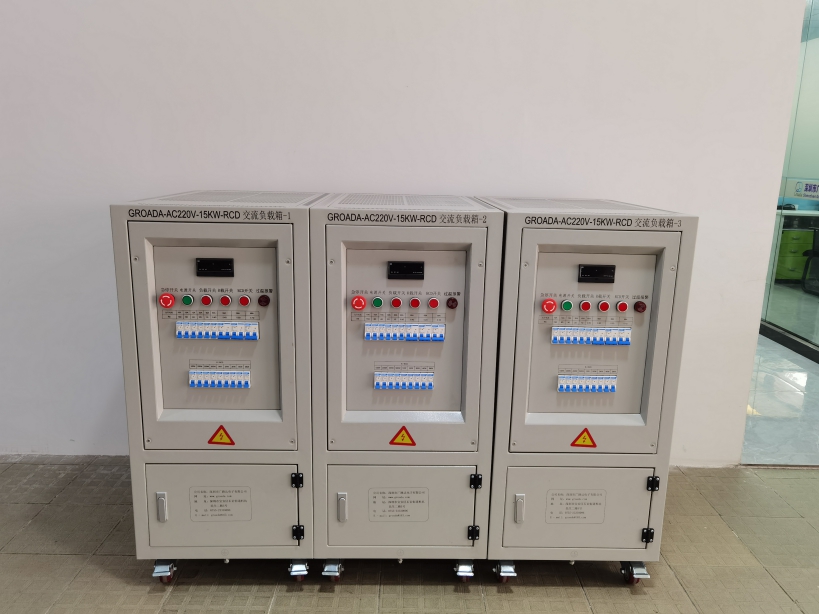
A 400 kW load bank is a critical tool in electrical testing, especially for validating generator performance, ensuring UPS reliability, and verifying grid-connected systems such as solar farms or microgrids. Unlike traditional static loads, modern 400 kW load banks—whether resistive, reactive, or combination (RLC)—offer precise control over power factor, current, and voltage conditions to simulate real-world operating scenarios. These units are commonly used in factory acceptance tests (FAT), commissioning of backup power systems, and preventive maintenance programs across industries like data centers, hospitals, and industrial plants.
Resistive load banks, the most common type, convert electrical energy into heat using precision resistor blocks. At 400 kW, they typically operate at voltages from 230 V to 690 V AC, supporting both single-phase and three-phase configurations. Reactive load banks, often used with capacitive or inductive components, help test generators under varying power factor conditions—essential for diesel or natural gas-powered units that must meet IEC 60034-1 standards for motor and generator performance. A combination RLC load bank allows full-spectrum testing, enabling engineers to evaluate harmonic distortion, thermal stress, and efficiency across multiple load types simultaneously.
Portability is key for field applications. Many 400 kW load banks feature rugged IP54-rated enclosures, lifting eyes, and fork-lift pockets, making them suitable for mobile service teams. With built-in cooling fans or water-cooled options, these systems can sustain continuous operation without overheating—even under 100% rated load for extended periods. Safety features include ground fault protection, overtemperature shutdowns, and emergency stop functions compliant with CE, UL, and CCC certifications.
Control interfaces like Modbus RTU or Ethernet allow remote monitoring via SCADA systems or smartphones, enhancing operational visibility. Calibration every 12 months ensures measurement accuracy within ±0.5% for active power, voltage, and current—critical for compliance in regulated environments such as hospitals or telecom facilities.
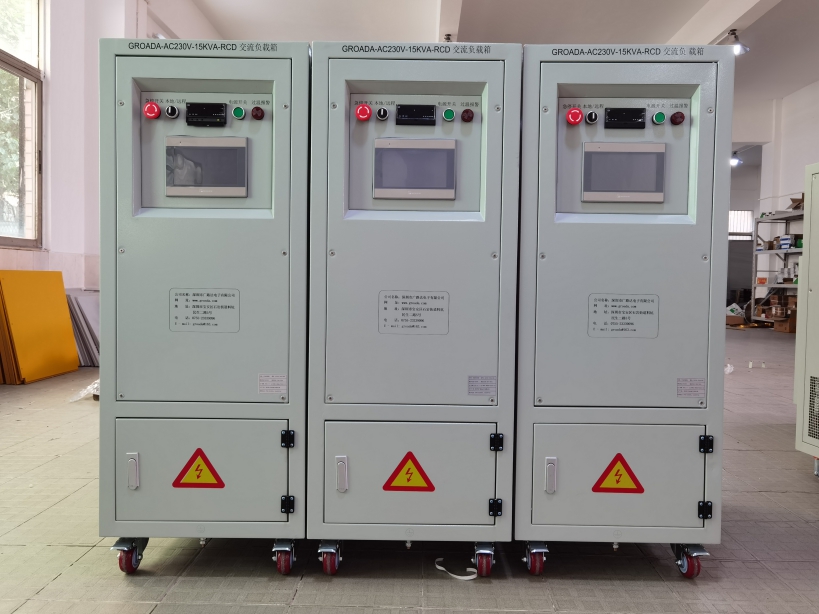
In one anonymized case study from a U.S.-based data center, a 400 kW resistive load bank was used during routine generator testing. Over a 4-hour run at full load, it confirmed consistent output voltage regulation (±2%) and no unexpected temperature rise beyond 70°C, confirming system readiness for peak demand events. Another simulated example involved a wind farm’s grid synchronization test using a 400 kW reactive load bank to validate low-power-factor behavior—an essential step before commercial operation.
Whether you're an engineer, facility manager, or procurement specialist, understanding how a 400 kW load bank supports reliable power infrastructure is vital for minimizing downtime and maximizing asset lifespan.