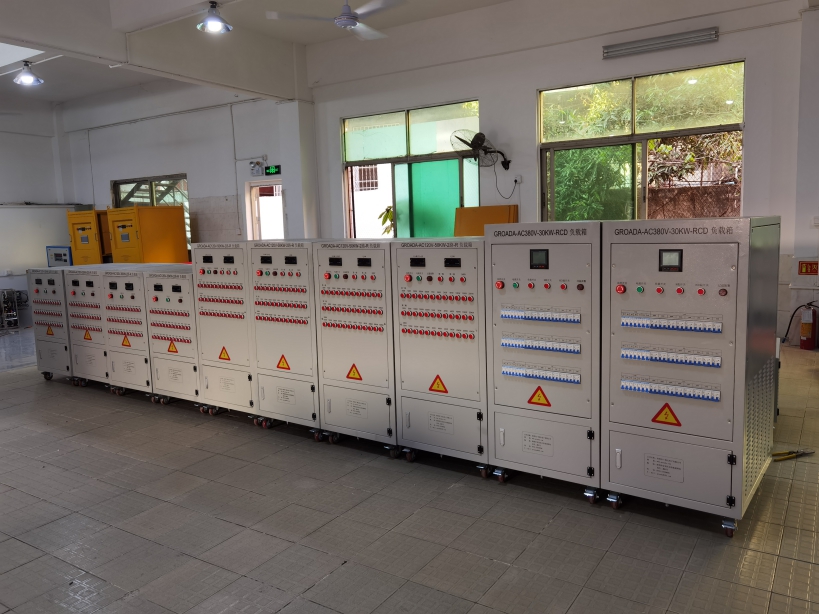
Portable load banks are essential tools for verifying the performance, reliability, and safety of power generation systems—especially in field applications such as construction sites, remote facilities, and emergency backup setups. These units simulate real-world electrical loads to test generators, UPS systems, and renewable energy sources like solar or wind farms before they go live. A high-quality portable load bank ensures that equipment operates efficiently under full and partial load conditions, helping prevent unexpected failures during critical operations.
The most common types include resistive, reactive (inductive), capacitive, and combination (RLC) load banks. Resistive load banks convert electrical energy into heat using precision resistor blocks, ideal for testing generator output capacity and cooling systems. Reactive load banks introduce inductive or capacitive reactance to assess voltage regulation, excitation system response, and harmonic distortion in three-phase systems. RLC load banks offer full-spectrum testing by combining all three elements, making them suitable for comprehensive generator acceptance tests per IEC 60034-1 standards.
Key technical specifications typically cover rated power from 5 kW to 2,000 kVA, single or three-phase configurations, adjustable power factor (0.1–1.0), and temperature-controlled air or water cooling. Modern units feature remote monitoring via Modbus TCP/IP or RS-485, with built-in digital meters measuring voltage, current, active/reactive power, and power factor accuracy within ±1%. Safety features include E-stop buttons, overtemperature protection, short-circuit detection, and grounding compliance with UL/CE/CCC certifications depending on region.
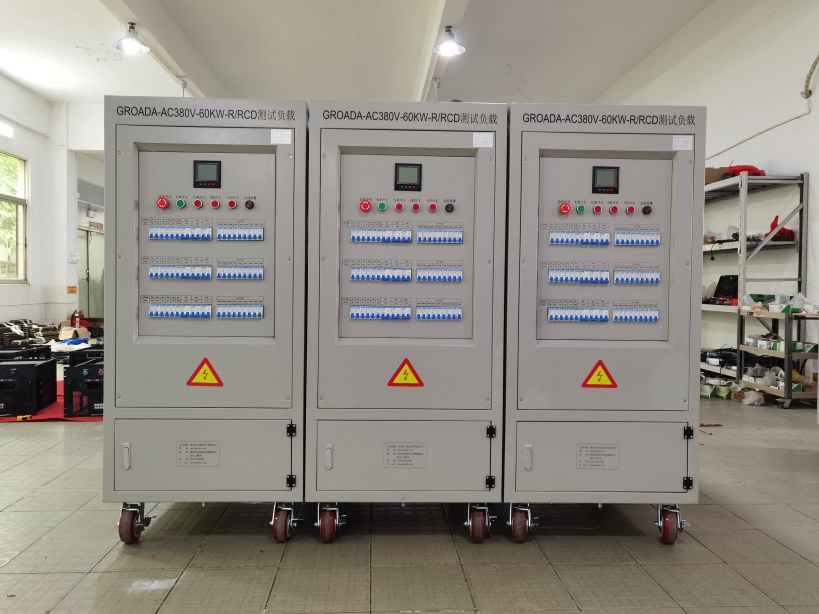
For portability, designs often use rugged steel chassis with IP54 rating, lifting eyes, and fork-lift pockets for safe transport. Maintenance includes annual calibration using certified equipment, fan replacement every 3–5 years, and resistor block inspection every 2 years. Case studies show that a 1,200 kVA diesel generator tested with a portable resistive load bank at 100% load for 4 hours improved fuel efficiency by 7% after tuning the governor settings based on measured torque response.
In summary, selecting the right portable load bank depends on application needs—whether for factory acceptance testing, commissioning microgrids, or validating standby power systems. Engineers must prioritize accuracy, safety, and adaptability when choosing equipment to ensure long-term system integrity and operational confidence.