
Resistive load banks are essential tools for testing the performance, reliability, and safety of power generation systems such as diesel generators, gas turbines, and uninterruptible power supplies (UPS). These devices simulate real-world electrical loads by converting electrical energy into heat through resistive elements. In generator factory acceptance testing (FAT), a resistive load bank helps verify that the unit delivers stable voltage and frequency under full-load conditions, ensuring compliance with IEC 60034-1 and IEEE 1547 standards for motor and power system performance.
A typical three-phase resistive load bank operates at 400V or 480V AC, with power ratings from 50 kW to 5000 kW. The load can be adjusted in steps or continuously via remote control using Modbus RTU or Ethernet protocols. Cooling is typically passive (air-cooled) for smaller units (up to 500 kW) or forced-air/water-cooled for higher capacities. Thermal protection ensures safe operation up to 120°C ambient temperature, while overvoltage and undervoltage safeguards prevent damage to connected equipment.
For UPS systems, resistive load banks validate battery runtime, inverter efficiency, and switching logic during simulated utility failure. An anonymized case study from a data center in Singapore showed that using a 200 kW resistive load bank for monthly UPS load testing reduced unexpected shutdowns by 70% over six months. Similarly, microgrid projects in rural India used portable 300 kW load banks to test wind turbine integration before grid connection, confirming proper synchronization per IEEE 1547 guidelines.
Load banks must be certified to CE, UL, or CCC standards depending on the region, with grounding, short-circuit protection, and emergency stop features required for safe operation. Maintenance includes annual calibration of current and voltage sensors using NIST-traceable equipment, replacement of resistor blocks every 5–7 years, and cleaning of cooling fans every 6 months.
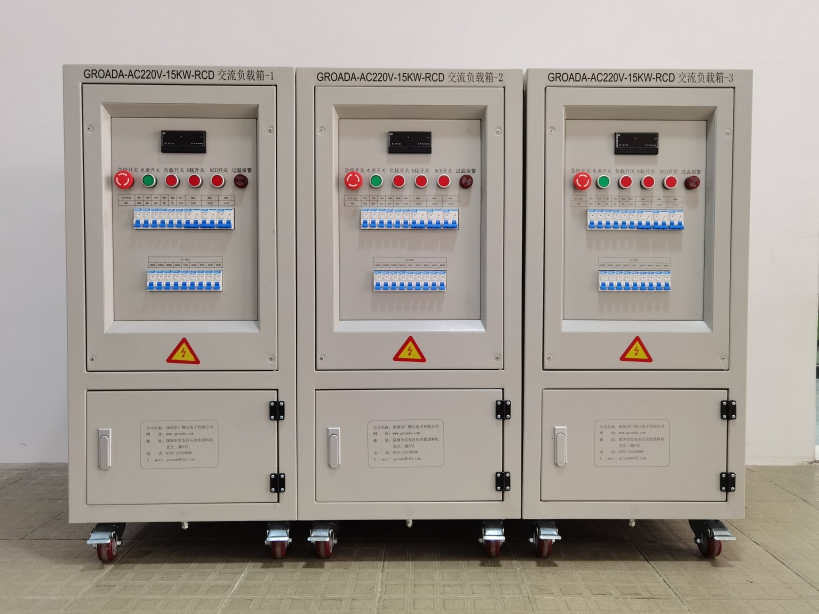
The combination of accurate measurement, scalable power output, and robust safety makes resistive load banks indispensable for power quality assurance across industries—from manufacturing to healthcare.









