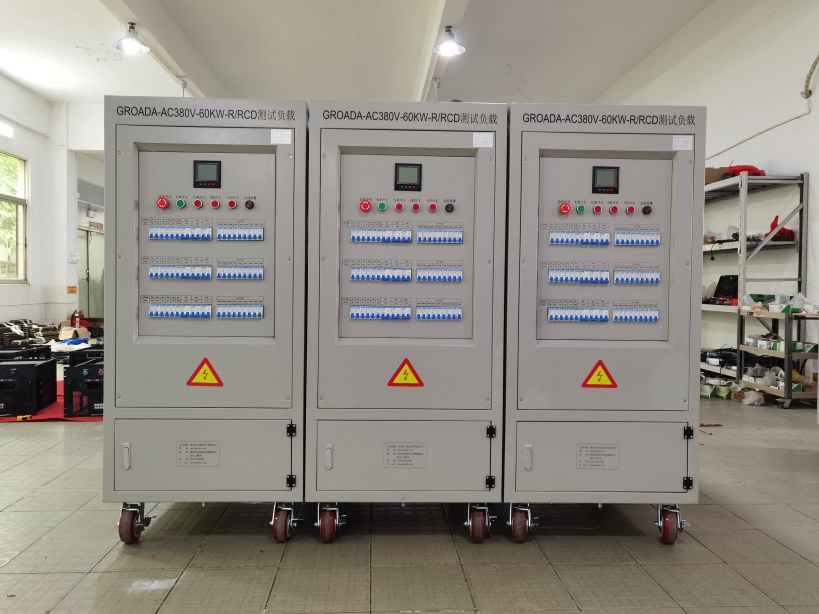
When evaluating the health and performance of a generator, one of the most critical tools often overlooked is the load bank. Whether you're managing a backup power system for a hospital, a data center, or an industrial facility, the answer to "Do I need a load bank for a generator?" is almost always yes — especially if long-term reliability and operational readiness are priorities.
A load bank simulates real-world electrical loads by drawing power from the generator in a controlled manner, allowing engineers to test how well the generator performs under varying conditions such as partial load, full load, and overload scenarios. Unlike running a generator at idle or with minimal load, which can cause issues like wet stacking (in diesel generators), carbon buildup, and lubrication degradation, a load bank ensures the engine operates at optimal temperature and combustion efficiency.
According to IEC 60034-1, electric machines—including generators—must undergo regular performance validation under defined load conditions to maintain mechanical and electrical integrity. A properly sized resistive or reactive load bank enables this testing without requiring actual end-use equipment. For example, a three-phase diesel generator rated at 500 kW should be tested at least once every 3–6 months using a load bank to verify its ability to handle peak demands.
Case studies from the energy sector show that facilities conducting routine load testing experience up to 40% fewer unscheduled outages during emergencies. In one anonymized case, a manufacturing plant used a portable resistive load bank to simulate 80% of their generator’s capacity over a 2-hour period monthly. This revealed a gradual drop in voltage regulation due to aging fuel injectors, which were replaced before failure occurred.
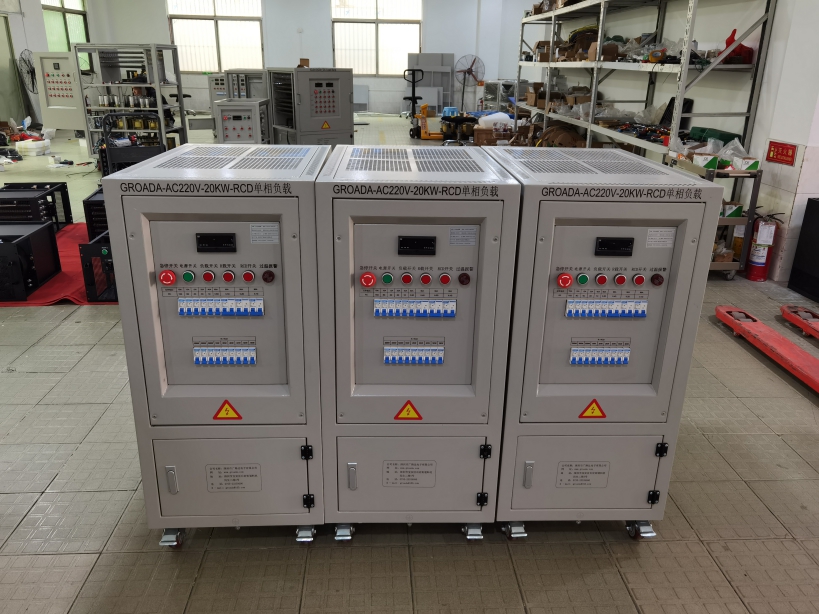
Load banks come in several types: resistive (for real power testing), reactive (for VAR simulation), and combination (RLC) for comprehensive testing. They feature precise control systems (e.g., Modbus or Ethernet interfaces), thermal protection, and remote monitoring capabilities. Modern units also meet CE, UL, and CCC standards for safety and compliance across global markets.
In summary, while a generator may run on its own, it must be proven reliable under load to ensure it functions when needed. If your operations depend on continuous power, investing in a load bank isn’t optional—it’s essential.