
Resistive load banks are essential tools in the testing and validation of electrical generators, ensuring they deliver consistent performance under real-world operating conditions. These devices simulate electrical loads by converting power into heat through resistive elements, allowing engineers to evaluate generator behavior across a range of power outputs—from idle to full load. A well-designed resistive load bank enables precise control over load levels, typically from 10% to 100% of rated capacity, making it ideal for factory acceptance tests (FAT), commissioning, and periodic maintenance checks.
The primary advantage of resistive load banks lies in their simplicity and reliability. Unlike reactive or capacitive types, resistive models do not introduce phase shifts or harmonic distortions—making them particularly suitable for diesel or natural gas-powered generators used in hospitals, data centers, and industrial facilities. According to IEC 60034-1, generator testing must include load acceptance procedures to verify insulation integrity, voltage regulation, and thermal stability. Resistive load banks fulfill these requirements by maintaining stable power factors near unity (typically 0.95–1.0), which is critical for accurate diagnostics.
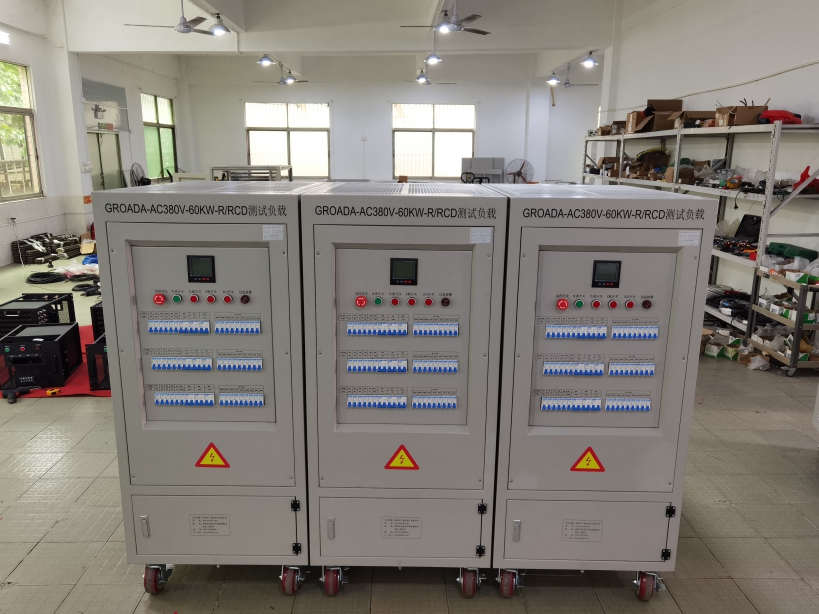
Modern portable resistive load banks often feature air-cooled systems with built-in fans and temperature sensors to prevent overheating. For high-power applications (above 500 kW), water-cooled variants offer superior heat dissipation. Thermal protection circuits automatically shut down the unit if internal temperatures exceed safe thresholds (e.g., >120°C), preventing damage to resistor blocks and extending service life. Additionally, digital control interfaces—such as Modbus RTU or Ethernet-based SCADA systems—allow remote monitoring of voltage, current, active power, and power factor in real time.
Case studies show that regular load bank testing can identify early signs of mechanical wear, fuel system inefficiencies, and cooling issues before failure occurs. In an anonymized case study involving a 1 MW diesel generator at a manufacturing plant, load bank testing revealed a 7% drop in efficiency at 75% load due to clogged air filters. After maintenance, output improved by 6%, demonstrating the value of preventive testing. Such insights help optimize uptime and reduce unplanned downtime costs.
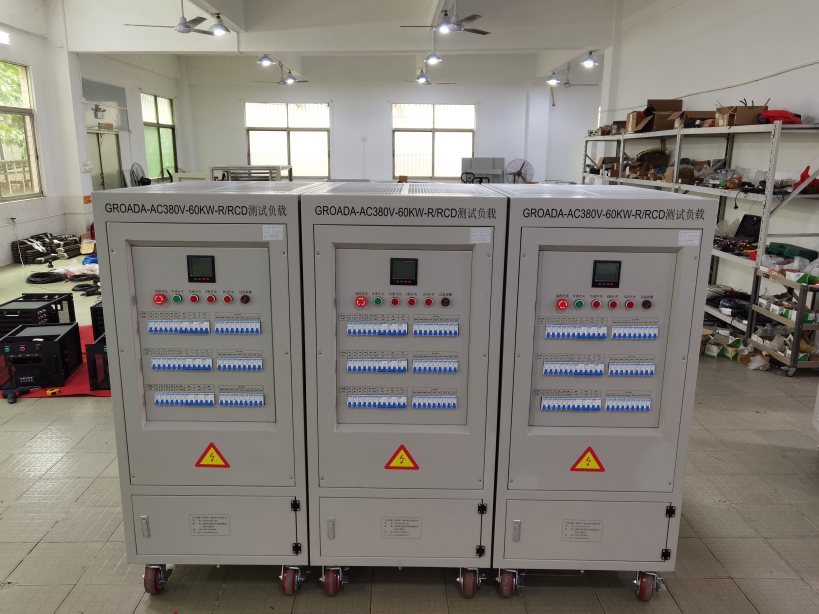
When selecting a resistive load bank, key parameters include rated power (kW/kVA), number of phases (single or three-phase), voltage compatibility (e.g., 230/400 V or 480 V), and compliance with safety standards such as CE, UL, or CCC. Proper grounding, short-circuit protection, and emergency stop functions are mandatory for safe operation. Maintenance intervals should be based on usage frequency—typically every 6 months or after 500 hours of operation—with replacement parts like resistor blocks and fan motors readily available.









