
Portable load banks are essential tools for validating the performance of electrical power systems such as generators, UPS units, and microgrids. Unlike static or fixed installations, portable load banks offer flexibility in testing environments—from factory acceptance tests to field deployments at remote sites. These devices simulate real-world electrical loads by drawing power from the source under test, enabling engineers to verify system stability, voltage regulation, and response times under various conditions.
A typical portable resistive load bank uses high-power resistor blocks that convert electrical energy into heat, which must be efficiently dissipated through forced air cooling or water-cooled systems. For applications requiring reactive power simulation—such as testing diesel generators with inductive loads—a reactive load bank adds inductance to mimic motor-driven equipment. Advanced models combine both resistive and reactive elements (RLC configuration), allowing for accurate power factor control between 0.1 lagging and 1.0 unity.
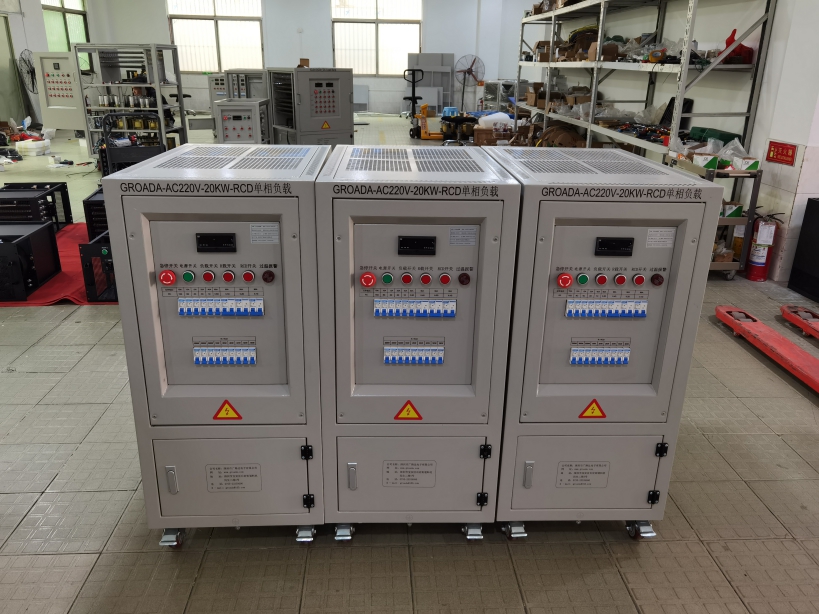
Testing procedures follow international standards like IEC 60034-1 for generator performance and IEEE 115 for excitation system evaluation. During a simulated case study at a wind farm grid interconnection site, a 500 kW three-phase resistive load bank was used over 8 hours to validate the automatic voltage regulator (AVR) response. The test confirmed stable operation within ±2% voltage deviation and zero harmonic distortion—critical for compliance with utility grid codes.
Modern portable load banks include digital controls via Modbus RTU, Ethernet, or CAN bus interfaces, enabling remote monitoring and automated load step-up sequences. Safety features such as overtemperature shutdown, short-circuit protection, and emergency stop buttons ensure safe operation in harsh environments. With IP54-rated enclosures and lift points for crane handling, these units are built for rugged use across industries including construction, mining, and telecommunications.
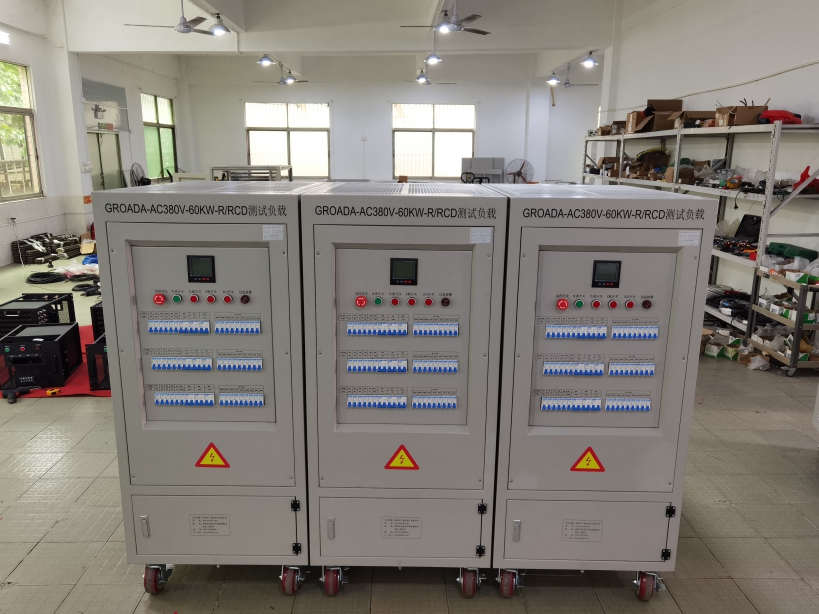
Regular calibration (recommended annually) ensures measurement accuracy of voltage, current, and power up to ±0.5%, while fan assemblies and resistor blocks typically last 5–7 years under normal use. Spare parts kits—including replacement resistor grids and thermal sensors—are available for quick maintenance.









