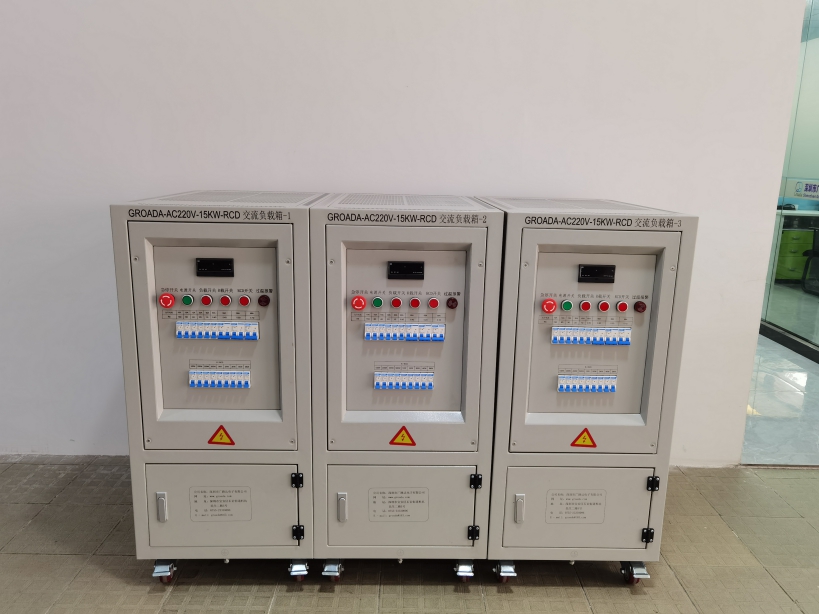
Portable load banks are essential tools for verifying the performance, reliability, and safety of electrical power systems such as generators, uninterruptible power supplies (UPS), and renewable energy installations. These devices simulate real-world electrical loads to ensure that power sources can deliver stable voltage, current, and frequency under various operating conditions—critical for both factory acceptance testing and field validation.
The main body of this discussion explores how portable load banks function across resistive, reactive, and combined RLC configurations. Resistive load banks convert electrical energy into heat using precision resistor blocks, ideal for testing generator output capacity and engine cooling systems. Reactive load banks, which include inductive or capacitive components, allow engineers to assess reactive power handling—vital for evaluating power factor correction systems and harmonic distortion in three-phase networks. A combination (RLC) load bank offers versatility by enabling tests that mimic complex industrial loads, including motor drives and variable frequency drives (VFDs).
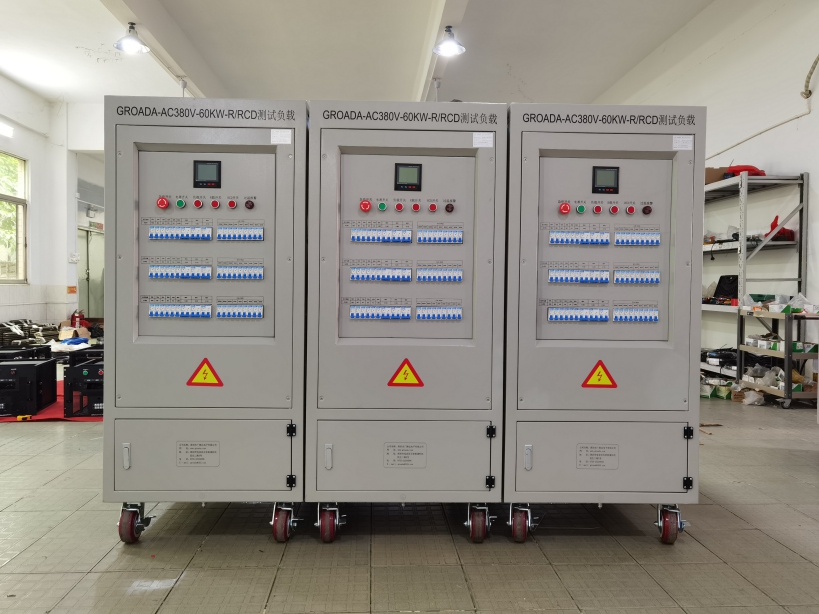
Modern portable load banks are engineered with intelligent control systems featuring Modbus, Ethernet, or CAN interfaces for remote monitoring and data logging. They typically operate from 10 kW to 500 kVA, support single- or three-phase configurations, and are built with robust IP43-rated enclosures for outdoor use. Safety features like overtemperature protection, short-circuit detection, and emergency stop (E-STOP) switches comply with IEC 60204-1 and UL 61010 standards. Thermal management is achieved through forced-air cooling, with some models incorporating water-cooled designs for high-duty-cycle applications.
Case studies show that a 150 kW portable resistive load bank was used during factory acceptance testing of a diesel generator in a mining site—anonymized case study—where it confirmed the unit met IEC 60349-1 specifications for rated power output and voltage regulation within ±2%. Similarly, a 100 kVA reactive load bank helped a data center validate its UPS system’s ability to handle lagging power factors down to 0.8, ensuring uninterrupted operation during peak load scenarios.
In conclusion, portable load banks serve as indispensable diagnostic instruments for power system maintenance, commissioning, and certification. Their flexibility, compliance with international standards, and integration with digital monitoring platforms make them suitable for diverse industries—from oil & gas to healthcare and telecom.