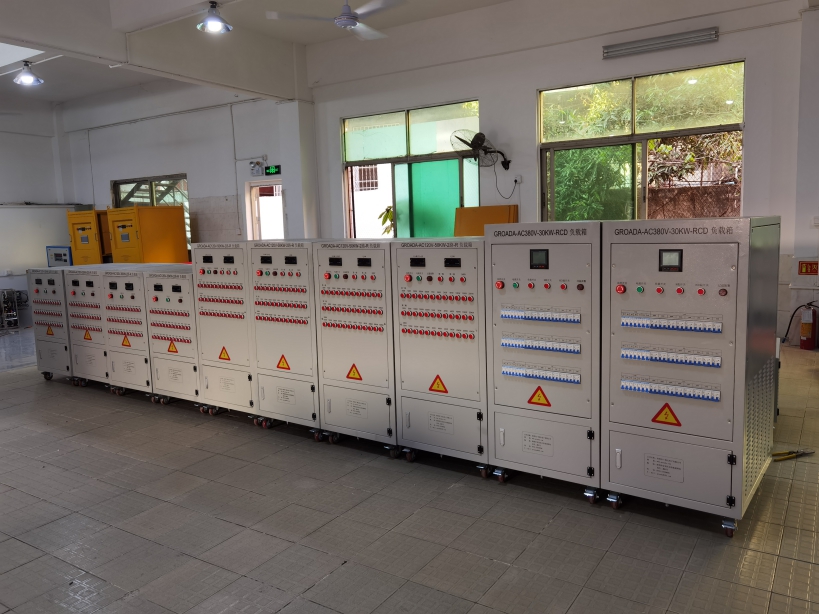
Load bank testing is a critical procedure used to validate the performance, reliability, and safety of electrical power systems—especially generators, UPS units, and renewable energy sources such as wind turbines or solar inverters. This method simulates real-world electrical loads without requiring an actual power-consuming application, allowing engineers to test equipment under controlled conditions before commissioning.
The main body of load bank testing involves three primary types: resistive, reactive, and combination (RLC) load banks. Resistive load banks convert electrical energy into heat using precision resistor blocks, making them ideal for testing generator output capacity and cooling systems. Reactive load banks, which include inductive or capacitive elements, simulate lagging or leading power factors typical in industrial motor loads or capacitor banks. Combination load banks offer both resistive and reactive components, enabling comprehensive load testing that mimics complex real-world electrical environments.
Modern load banks often integrate digital control systems with Modbus, CAN, or Ethernet interfaces for remote monitoring and automated load cycling. These features allow operators to perform factory acceptance tests (FAT), routine maintenance checks, or grid integration validation for microgrids and distributed energy resources. For example, during a simulated case study at a 1 MW diesel generator installation, a 3-phase resistive load bank was applied at 80% rated load for 4 hours, revealing a 3.5°C temperature rise above ambient—well within IEC 60034-1 compliance limits.
Safety is paramount in load bank operations. Equipment must meet CE, UL, or CCC certification standards and include thermal protection, short-circuit safeguards, and emergency stop mechanisms. Cooling methods vary from forced air to water-cooled systems depending on the power rating, with some portable models designed for field use in remote locations. Maintenance includes regular calibration every 12 months using NIST-traceable instruments, and replacement of fan assemblies or resistor blocks based on operational hours.
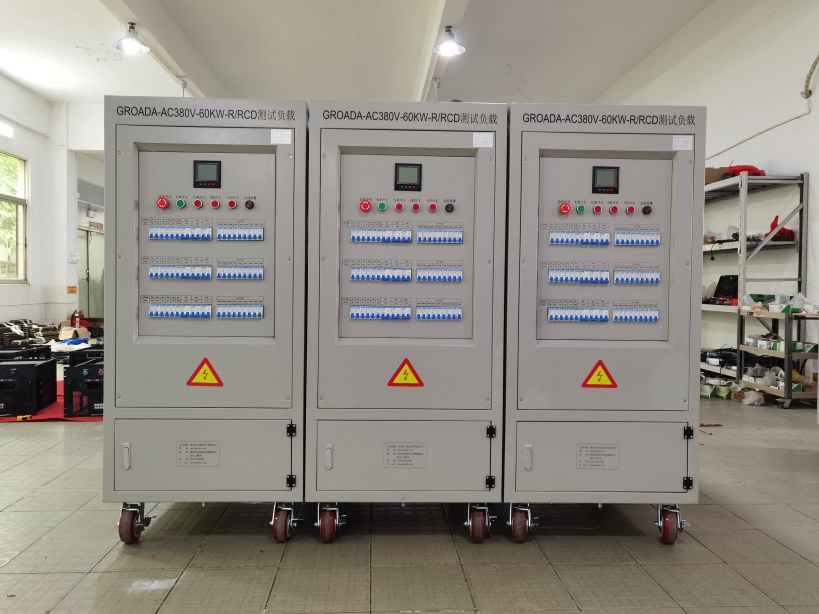
In conclusion, load bank testing ensures power systems operate safely and efficiently across all load conditions. Whether for new installations, periodic inspections, or system upgrades, it provides measurable data to prevent failures and optimize performance—making it indispensable for engineers in power generation, industrial maintenance, and smart grid development.