
Load bank testing is a critical procedure used to validate the performance, stability, and safety of generators, UPS systems, and power distribution units under real-world operating conditions. It simulates electrical loads without relying on actual consumers, enabling engineers to assess key parameters such as voltage regulation, frequency response, thermal behavior, and power factor control. This process is essential in both factory acceptance testing (FAT) and site commissioning of backup power systems.
A resistive load bank, the most common type, converts electrical energy into heat using precision resistor blocks, offering stable and predictable load characteristics. Reactive load banks introduce inductive or capacitive reactance, allowing tests of reactive power handling—vital for generator excitation system validation. Combination (RLC) load banks integrate both resistive and reactive components, providing comprehensive testing for three-phase systems up to 2000 kVA.
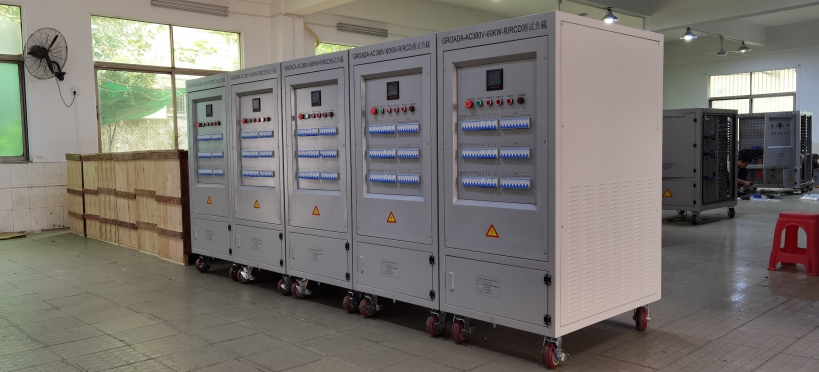
Industry standards such as IEC 60034-1 and IEEE 1547 guide load bank design and test protocols, particularly for motor-driven generators and microgrid integration. For example, IEC 60034-1 specifies minimum insulation class requirements and temperature rise limits, which directly influence cooling methods like forced air or water cooling. Modern load banks are often equipped with digital controllers supporting Modbus RTU or Ethernet communication for remote monitoring and data logging—critical for predictive maintenance strategies.
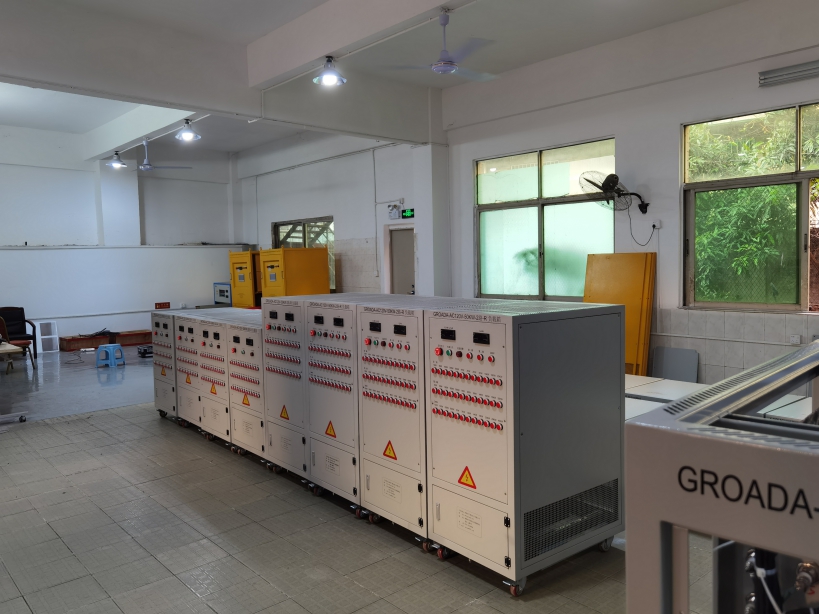
An anonymized case study from a hospital’s backup generator installation showed that using a 500 kW resistive load bank over 4 hours revealed a 5% voltage drop at full load, prompting adjustments to the automatic voltage regulator (AVR). Another simulated example from a wind farm grid connection test demonstrated how a 1000 kVA RLC load bank helped fine-tune the inverter’s reactive power control algorithm, reducing harmonic distortion by 12%. These examples highlight how load bank testing ensures reliability before critical infrastructure is energized.
To maintain accuracy and safety, load banks must be calibrated annually per ISO/IEC 17025 guidelines, with replacement cycles for resistor blocks and fans typically every 5 years depending on usage intensity. Features like E-stop buttons, short-circuit protection, and IP54 enclosures ensure safe operation in industrial environments. Portable designs with lifting eyes and forklift pockets enhance ease of transport across construction sites or remote locations.
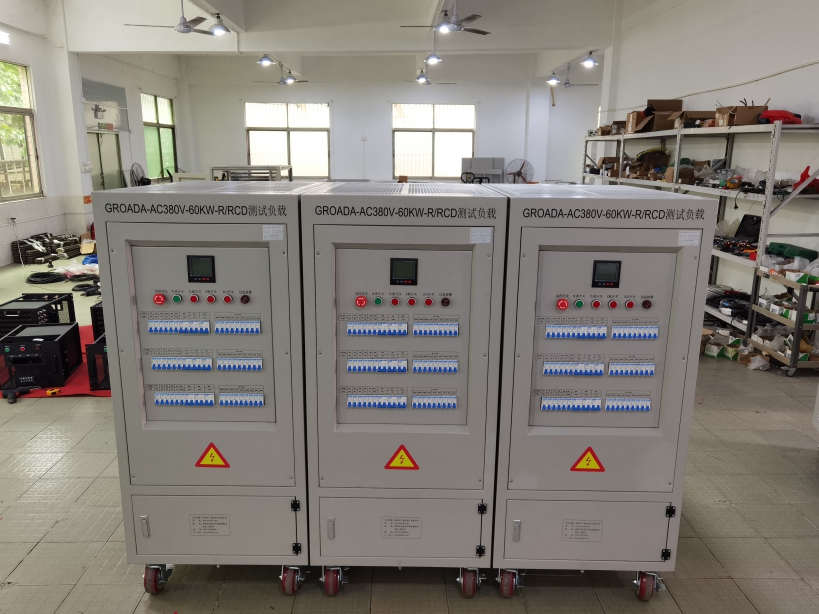
In summary, load bank testing provides objective evidence of power system readiness, prevents costly failures during emergencies, and supports compliance with international standards. Whether for routine maintenance or project commissioning, investing in quality load bank equipment and proper procedures pays dividends in uptime, safety, and regulatory alignment.









