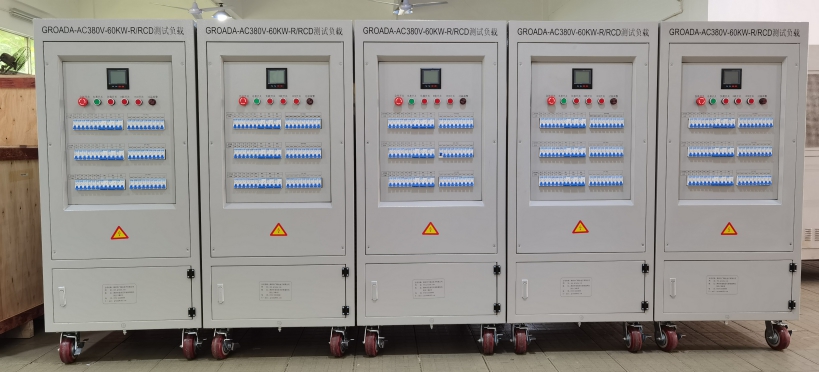
Load banks are essential tools in electrical engineering, particularly for testing generators, UPS systems, and renewable energy installations. They simulate real-world electrical loads to ensure equipment performance under various conditions. A well-selected load bank—whether resistive, reactive, or combination (RLC)—can validate power quality, confirm system stability, and prevent unexpected failures during critical operations.
Practical applications include factory acceptance tests (FAT) for new generators, commissioning of backup power systems in data centers, and grid integration testing for solar farms or wind turbines. For example, a 500 kW three-phase resistive load bank might be used to test a diesel generator over 4 hours at 80% load to verify thermal endurance and fuel efficiency. In another case, an RLC load bank with adjustable power factor helps simulate the inductive and capacitive behavior of motors and transformers in industrial settings.
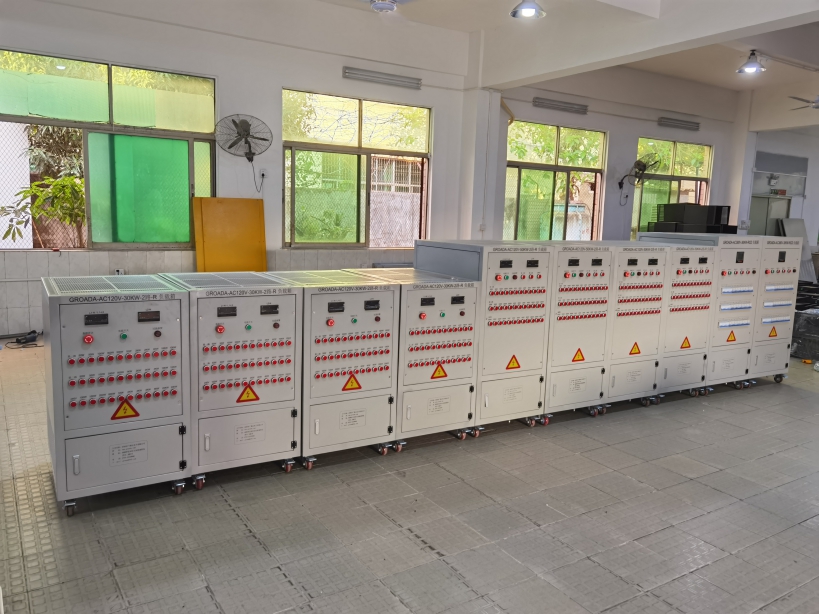
Advantages include precise control over load magnitude and waveform, comprehensive diagnostics via digital monitoring, and compliance with standards like IEC 60034-1 for motor performance validation. Modern load banks often feature remote control via Modbus or Ethernet, enabling automated testing sequences and reducing human error.
Common problems include overheating due to inadequate cooling, especially in portable units operating in high ambient temperatures, and inaccurate measurements from poorly calibrated sensors. These issues can be mitigated by using water-cooled models for high-power applications and scheduling regular calibration every 6–12 months using NIST-traceable equipment.
Latest trends involve IoT-enabled load banks that transmit real-time data to cloud platforms for predictive maintenance, as well as hybrid systems that combine passive resistive elements with active power electronics for more efficient load simulation. These innovations improve accuracy, reduce downtime, and align with smart grid development goals.