
Portable load banks are essential tools for verifying the performance, reliability, and safety of generators, UPS systems, and renewable energy installations. Designed for both factory acceptance testing (FAT) and field validation, these devices simulate real-world electrical loads to ensure equipment operates within specified parameters under various conditions. A well-designed portable load bank typically includes resistive, reactive, or combined RLC (resistor-inductor-capacitor) circuits that allow engineers to test power factor behavior, voltage regulation, and thermal stability across single-phase or three-phase systems.
Modern portable load banks meet international standards such as IEC 60034-1 for motor testing and IEEE 1159 for power quality measurement, ensuring consistent and repeatable results. Key features include accurate power measurement (±0.5% accuracy), remote monitoring via Modbus or Ethernet, and robust cooling systems—either air or water-cooled—to handle sustained high-power operations. Safety is paramount: built-in short-circuit protection, overtemperature shutdown, and emergency stop functions comply with CE, UL, and CCC certifications for global deployment.
For example, in a simulated case study involving a 500 kW diesel generator used in a remote mining site, a portable resistive load bank was employed to conduct a 2-hour full-load test at 100% rated current. The test confirmed stable voltage output (±2%), no overheating, and proper governor response—validating the system before commissioning. Such tests reduce downtime risks and improve operational confidence in critical infrastructure.
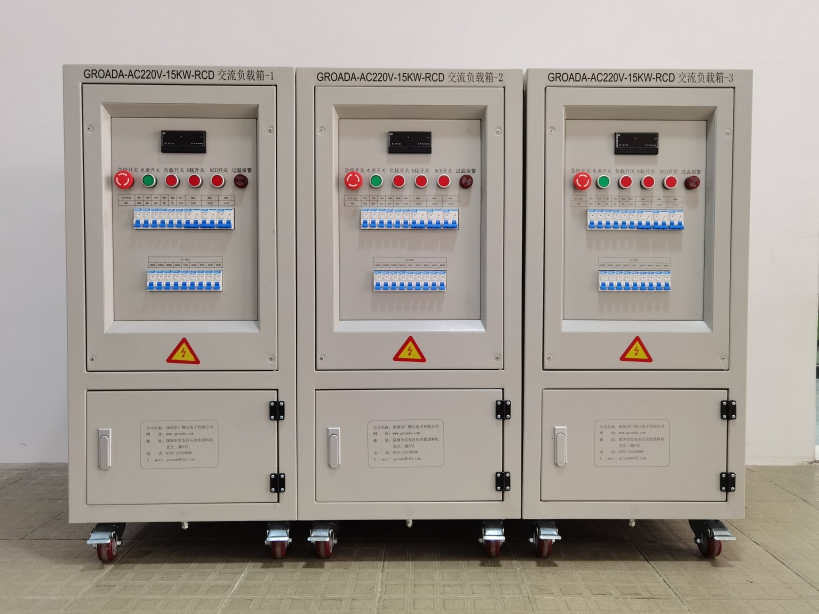
Engineers must also consider mechanical portability: features like forklift pockets, lifting eyes, and IP54-rated enclosures enable safe transport and operation in harsh environments. Maintenance schedules should include annual calibration using NIST-traceable equipment and replacement of resistor blocks every 5–7 years depending on usage intensity.
This comprehensive approach ensures compliance, safety, and optimal performance—whether testing backup power systems in data centers or validating grid-tied solar inverters.