
Building a resistive load bank is a practical and cost-effective way to test generators, UPS systems, and renewable energy sources like solar or wind power. Unlike reactive or capacitive load banks that simulate inductive or capacitive loads, a resistive load bank uses high-power resistors to convert electrical energy into heat—mimicking real-world resistive loads such as lighting, heating, and industrial equipment. This makes it ideal for generator acceptance testing, load rejection scenarios, and validating power system stability under full load conditions.
To build one, start with selecting appropriate resistors rated for continuous duty at the desired power level (e.g., 10 kW to 500 kW). Use wire-wound or ceramic resistor blocks designed for high-temperature environments. For three-phase systems, connect them in star or delta configuration based on voltage requirements (e.g., 230V/400V line-to-line). Include a robust cooling system—either forced air via fans or water-cooled modules—to prevent overheating during prolonged operation. Thermal protection circuits (like bimetallic switches or thermistors) must be integrated to shut down the system if temperature exceeds safe limits (typically >120°C).
Control options include manual switches for basic setups or digital controllers with Modbus RTU communication for remote monitoring. Always ensure grounding, overcurrent protection, and isolation between phases. A well-built resistive load bank should meet IEC 60034-1 standards for motor and generator testing safety, especially when used in factory acceptance tests (FAT). For portability, mount components on a rugged steel chassis with lifting eyes and wheels. Test the unit gradually—from 25% to 100% of rated load—to verify stability, voltage regulation, and power factor accuracy (±0.5%).
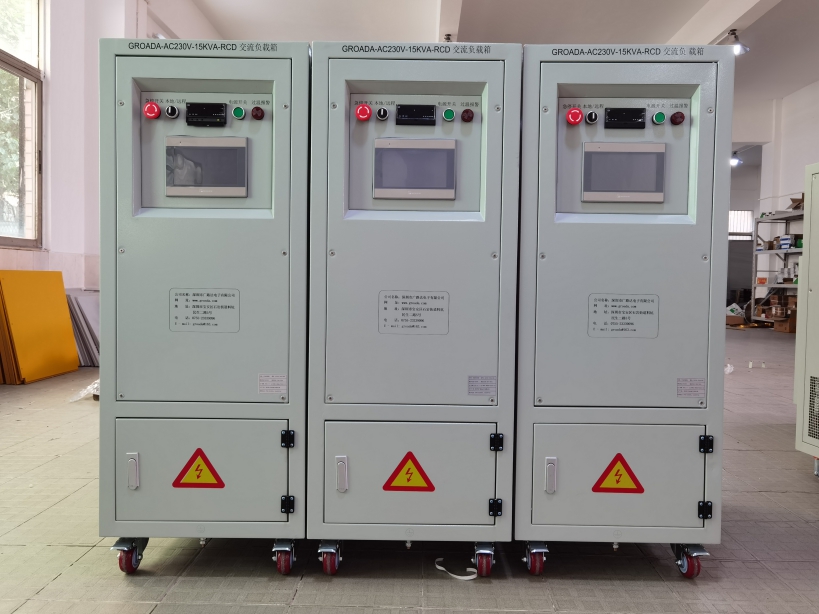
This DIY approach supports engineers, technicians, and small-scale renewable energy installers in validating power quality without expensive commercial units. It’s also widely used in microgrid integration testing and diesel generator commissioning in off-grid applications.









