
Portable load banks are essential tools for verifying the performance, reliability, and safety of power generation systems—especially in remote or mobile environments. These devices simulate real-world electrical loads to test generators, UPS systems, and renewable energy sources under controlled conditions. A well-designed portable load bank enables engineers to perform critical tests such as factory acceptance testing (FAT), commissioning, preventive maintenance, and grid integration validation without requiring permanent infrastructure.
Modern portable load banks typically offer resistive, reactive, or combination (RLC) load types, allowing for flexible simulation of different power factor conditions. For example, resistive load banks draw current in phase with voltage, ideal for assessing mechanical and thermal performance. Reactive load banks introduce lagging or leading power factors, simulating inductive or capacitive loads like motors or capacitor banks. This versatility ensures that generators operate efficiently across a wide range of load profiles.
Key technical features include programmable load control via Modbus or Ethernet interfaces, accurate measurement of voltage, current, active and reactive power (with ±0.5% accuracy), and built-in thermal protection. Cooling methods vary from air-to-air to water-cooled systems, enabling operation at full load for extended durations—often up to 4 hours continuously. Safety is prioritized through CE/UL-certified components, short-circuit protection, overtemperature shutdowns, and emergency stop functionality.
A simulated case study from a wind farm project demonstrated how a 150 kW three-phase resistive load bank verified generator response during grid synchronization. The test revealed a 3% voltage dip under sudden load application—an issue resolved by adjusting the AVR settings. This improved system stability and ensured compliance with IEEE 1547 standards for distributed energy resources.
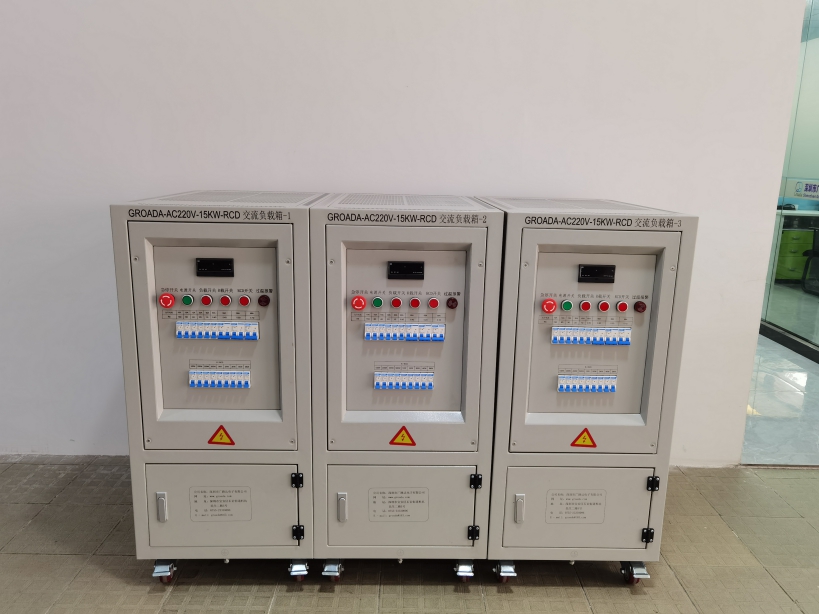
Engineers increasingly rely on portable load banks not just for diagnostics but also for predictive maintenance. With remote monitoring capabilities and automated logging, these units reduce downtime and enhance operational confidence across industries such as oil & gas, data centers, and military operations.









