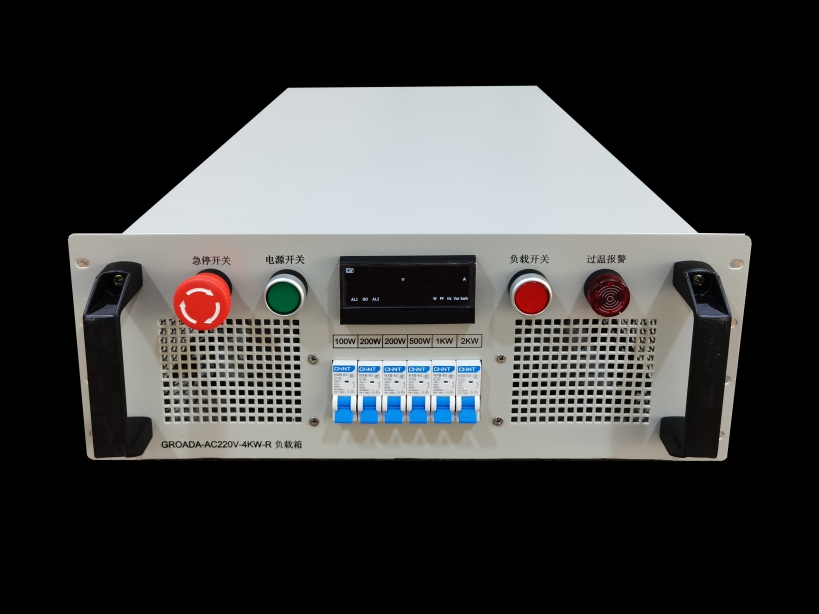
Resistive load banks are essential tools for verifying the performance, reliability, and safety of electrical power systems—especially generators, UPS units, and microgrids. Unlike reactive or capacitive loads, resistive load banks simulate real-world electrical demands by converting electrical energy into heat through high-power resistor elements. This makes them ideal for testing generator output capacity, engine cooling systems, voltage regulation, and overall system stability under full-load conditions.
A typical resistive load bank operates on single-phase or three-phase AC power systems and can be configured for portable or fixed installation. Rated from 10 kW up to several megawatts, these devices provide accurate simulation of resistive loads found in commercial buildings, data centers, hospitals, and industrial facilities. The key parameters include maximum power (kW), voltage level (e.g., 230 VAC, 400 VAC), current range (up to 500 A per phase), and adjustable power factor (usually set at unity for pure resistive testing).
Modern resistive load banks incorporate advanced control interfaces such as Modbus RTU, Ethernet, and RS-485, enabling remote monitoring, automatic load stepping, and integration with SCADA or building management systems. They also feature thermal protection systems, including temperature sensors, overheat shutdowns, and forced-air or water-cooled designs for continuous operation. Compliance with international standards like IEC 60034-1 (for electric machines) and UL/CE certification ensures safe and reliable operation across diverse markets.
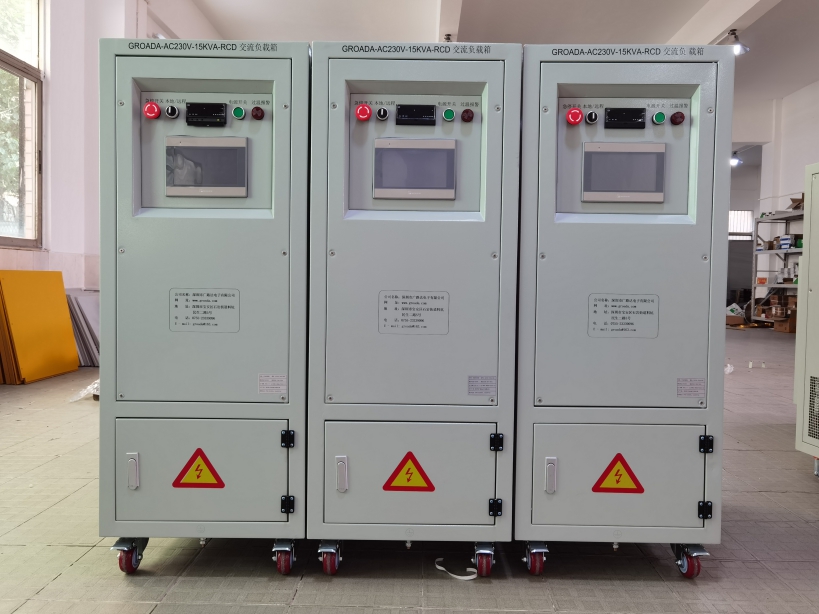
Field applications include factory acceptance tests (FAT) for new generators, commissioning of backup power systems, and validation of grid interconnection protocols for renewable energy sources. For example, in a simulated case study involving a 500 kVA diesel generator used in a hospital backup system, a resistive load bank was applied for 4 hours at 100% load to verify stable voltage regulation within ±2% and confirm adequate cooling system performance. The test revealed that the generator’s alternator temperature rose to 78°C—a result well within acceptable limits per IEEE 1547 guidelines.
Maintenance includes annual calibration using NIST-traceable instruments, replacement of resistor blocks every 5–7 years depending on usage intensity, and routine inspection of fans, grounding, and circuit breakers. With proper handling and scheduled servicing, a high-quality resistive load bank can last over a decade while delivering repeatable and accurate test results.