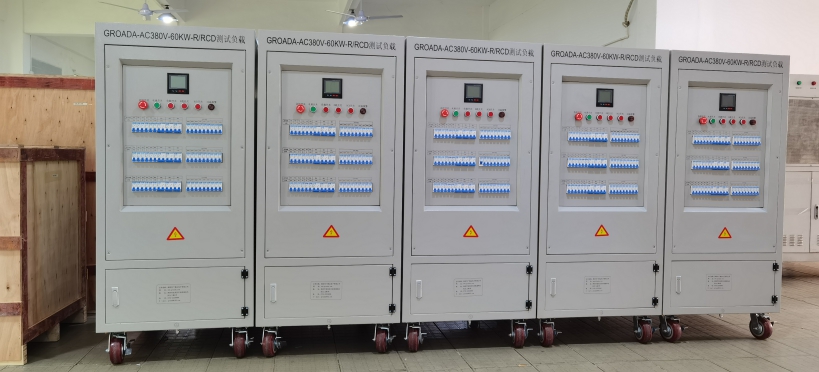
Portable load banks are essential tools in the testing and validation of power generation systems, especially for generators used in remote locations, backup power applications, or renewable energy integration. These devices simulate real-world electrical loads to verify a generator’s performance under various conditions—ensuring reliability before critical deployment. A typical portable resistive load bank can test single-phase or three-phase systems up to 500 kW, with adjustable power factor (PF) control from 0.1 to 1.0, allowing precise simulation of inductive, capacitive, or mixed loads. This flexibility is crucial for testing diesel or natural gas generators used in hospitals, data centers, and industrial facilities where power continuity is non-negotiable.
One key advantage of modern portable load banks is their integration with digital monitoring systems using Modbus RTU or Ethernet protocols, enabling remote diagnostics and automated load cycling. For example, during factory acceptance tests (FAT), engineers use these tools to validate generator voltage regulation, frequency response, and emissions compliance—all per IEC 60034-1 standards. In microgrid or wind farm applications, reactive load banks help simulate grid connection behavior under variable wind profiles, improving system stability before commissioning.
Common problems include thermal overload due to inadequate cooling or incorrect load distribution across phases. To prevent this, many models now feature IP54-rated enclosures, automatic fan speed control, and built-in temperature sensors that trigger shutdowns above 85°C. Another issue—especially in mobile setups—is poor grounding or EMI interference; thus, CE/UL-certified units must meet EN 61000-6-2 immunity standards.
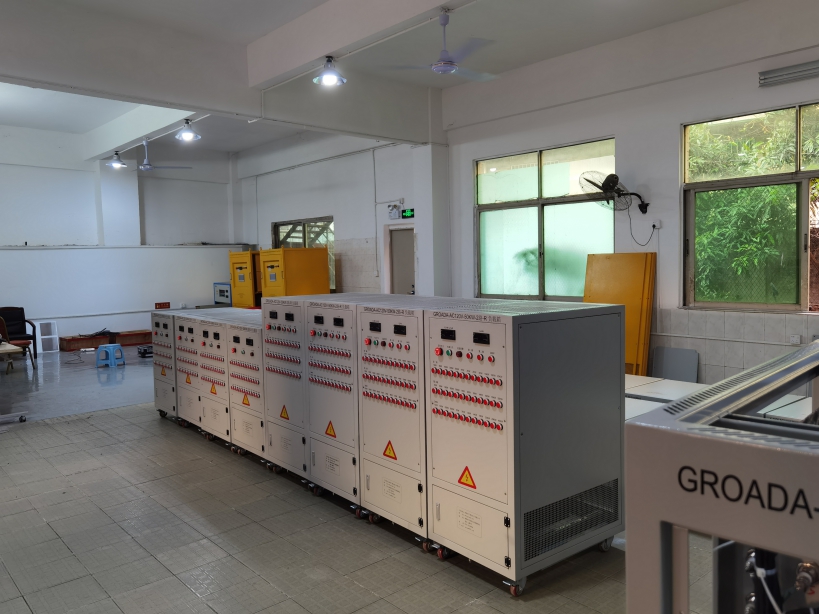
The latest trend is the rise of hybrid RLC (resistive-inductive-capacitive) load banks that allow dynamic switching between load types, reducing test time by up to 40% compared to traditional step-wise methods. As global interest in energy resilience grows—from disaster recovery planning to decarbonization strategies—portable load banks will remain indispensable for validating both legacy and next-gen power sources.