
When testing generators, UPS systems, or renewable energy installations like wind farms or microgrids, selecting the correct load bank is critical for ensuring reliability, safety, and performance. A load bank simulates real-world electrical loads by drawing power from a source and converting it into heat—this allows engineers to verify that equipment operates correctly under various conditions, such as full load, partial load, or sudden load changes.
There are three main types of load banks: resistive, reactive (inductive or capacitive), and combination (RLC). Resistive load banks are the most common—they mimic purely resistive loads like heaters or lighting, offering simple and efficient testing at unity power factor (PF ≈ 1.0). Reactive load banks simulate inductive or capacitive loads found in motors, transformers, or capacitor banks, enabling tests for voltage regulation, excitation system response, and reactive power handling. Combination load banks provide both resistive and reactive components, making them ideal for comprehensive generator acceptance testing, especially when required by standards such as IEC 60034-1 or IEEE 1547 for grid-connected inverters.
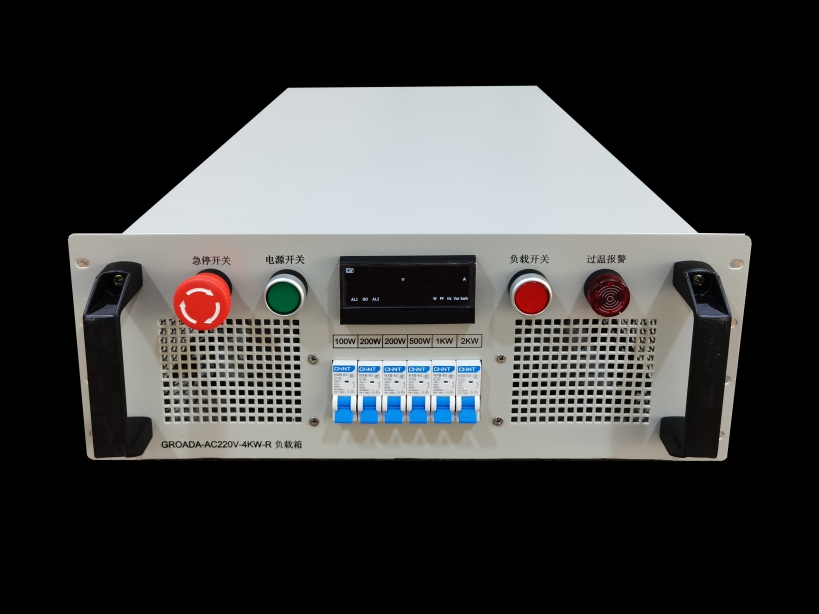
Key parameters to evaluate include rated power (kW/kVA), voltage level (e.g., 230V/400V three-phase), current range, power factor adjustment (typically 0.1–1.0 lagging or leading), and cooling method—air-cooled for portable units or water-cooled for high-power applications (>500 kW). Modern load banks often feature remote monitoring via Modbus, Ethernet, or CAN bus interfaces, allowing automated test sequences and data logging for compliance reporting. Safety features like overtemperature protection, short-circuit detection, and emergency stop buttons must be verified against CE, UL, or CCC certifications depending on the market.
An anonymized case study from a diesel generator factory shows how using a 3-phase resistive load bank with automatic ramping improved startup reliability during factory acceptance tests (FAT). The generator was tested at 25%, 50%, 75%, and 100% load over 4 hours, revealing an issue with fuel pump pressure at 80% load—corrected before delivery. This highlights the value of systematic load testing in preventing field failures.
For portability, look for units with IP54-rated enclosures, lifting eyes, and fork truck pockets—essential for frequent relocation. Calibration every 12 months ensures measurement accuracy within ±0.5% for voltage, current, and power. Regular maintenance includes cleaning resistor blocks and replacing fans every 2–3 years based on usage intensity.
In summary, choosing the right load bank means matching application needs (generator validation, UPS load testing, or grid integration) with technical specs like PF flexibility, thermal management, and communication options. Whether you’re in manufacturing, utilities, or renewable energy, proper load testing is not optional—it’s essential for safe, efficient power systems.