
Resistive load banks are essential tools in the validation and performance verification of electrical power systems, including diesel generators, standby power units, and uninterruptible power supplies (UPS). These devices simulate real-world electrical loads by converting electrical energy into heat through high-power resistors. This process allows engineers to test system behavior under varying load conditions—critical for ensuring reliability, especially in mission-critical applications such as hospitals, data centers, and industrial facilities.
The most common type of load bank is the resistive load bank, which primarily consumes active power (kW) without introducing reactive components. It is ideal for testing engine performance, voltage regulation, and fuel efficiency. For example, during factory acceptance testing (FAT), a 500 kW resistive load bank can be used to verify that a generator operates within IEC 60349-1 standards for voltage stability and harmonic distortion under full-load conditions. In one anonymized case study, a hospital’s backup generator was tested using a 3-phase resistive load bank at 80% of rated capacity for 4 hours, confirming stable output voltage (<±2%) and adequate cooling system performance.
Modern resistive load banks often include advanced features such as remote monitoring via Modbus RTU or Ethernet, automatic load step control, and thermal protection circuits. They comply with international safety standards like CE, UL, and CCC, and are typically housed in rugged IP54-rated enclosures for industrial environments. Cooling is achieved through forced air convection or water-cooled systems depending on power levels and installation constraints.
Key technical parameters include: maximum rated power (from 10 kW to 5 MW), three-phase voltage compatibility (208–600 VAC), adjustable power factor (typically 0.8–1.0), and precise measurement accuracy (±0.5% for voltage, current, and active power). Maintenance intervals recommend annual calibration using NIST-traceable instruments, with fan and resistor block replacement every 3–5 years based on usage intensity.
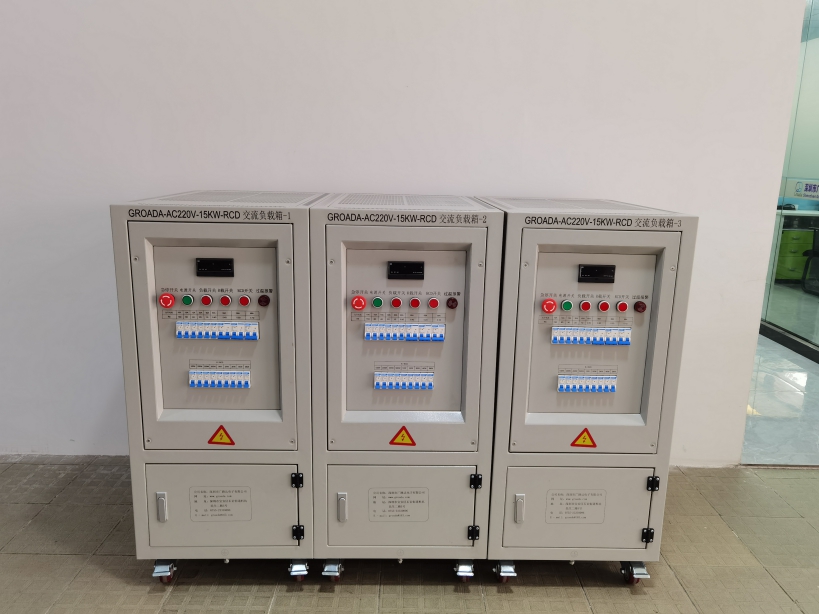
These systems are indispensable in preventive maintenance programs and grid integration projects—for instance, when connecting wind farms or microgrids to the main utility network. Properly conducted load tests not only ensure regulatory compliance but also reduce unexpected failures by identifying weak points before they cause downtime.









