
Load banks are essential tools for testing the performance, reliability, and safety of electrical power systems—especially generators, UPS units, and renewable energy sources like wind and solar farms. A properly selected and operated load bank ensures that equipment can handle real-world conditions before it is commissioned or during routine maintenance.
Practical applications include factory acceptance testing (FAT) of diesel or gas generators, commissioning of backup power systems in hospitals or data centers, and grid integration testing for microgrids. For example, a 500 kW three-phase resistive load bank may be used to simulate full-load conditions on a generator over several hours to verify voltage regulation, frequency stability, and fuel efficiency. In another case, a reactive load bank can test how a generator responds under inductive loads such as motors or transformers, which is crucial for industries with heavy machinery.
The main advantages of using load banks include early detection of mechanical or electrical faults, validation of automatic transfer switches (ATS), improved system uptime, and compliance with IEC 60034-1 standards for motor and generator performance. Modern portable load banks often integrate digital controls, remote monitoring via Modbus or Ethernet, and real-time power factor adjustment—making them ideal for field engineers working across multiple sites.
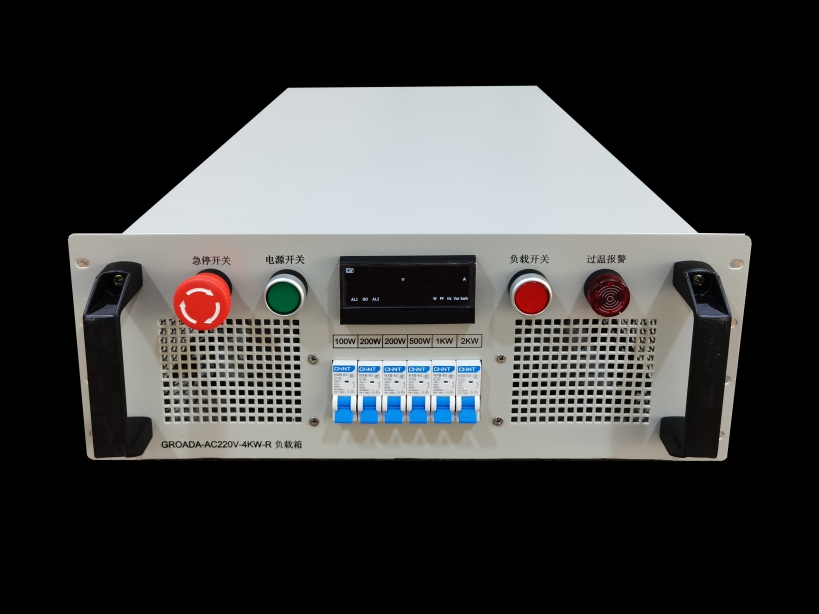
Common problems include improper load matching, overheating due to inadequate cooling, or incorrect phase balancing in three-phase setups. According to an anonymized case study from a utility provider in Southeast Asia, failing to account for thermal buildup led to premature resistor block failure after just 20 hours of continuous operation at 80% load. Proper selection based on heat dissipation requirements—such as air-cooled vs. water-cooled models—is critical.
Latest trends include smart load banks with IoT-enabled diagnostics, predictive maintenance capabilities, and compatibility with cloud-based asset management platforms. These innovations help reduce downtime and improve operational efficiency, especially in remote or harsh environments where human intervention is limited.
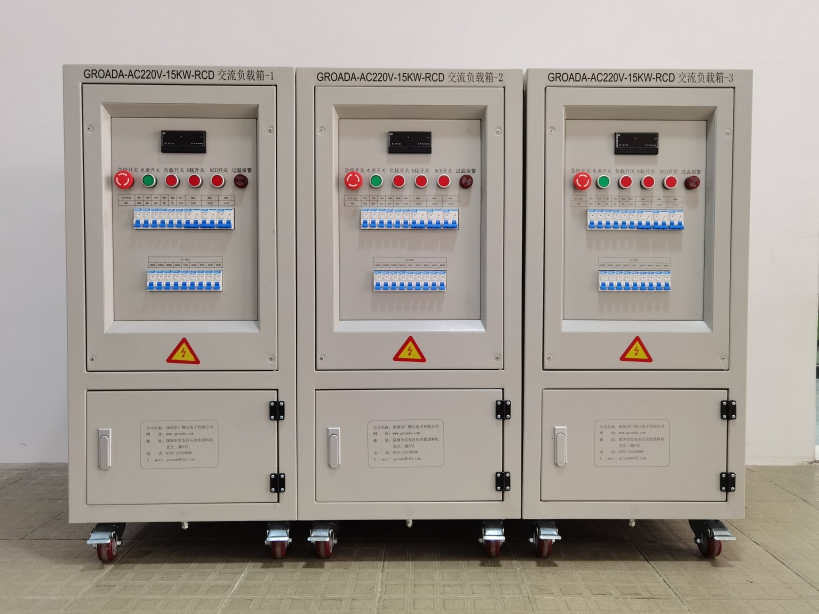
To ensure safe and effective use, always follow manufacturer guidelines for maximum current, voltage limits, and grounding procedures. Regular calibration (every 12 months) and inspection of cooling fans and resistor blocks are recommended. With proper planning and modern equipment, load banks remain indispensable for power system validation worldwide.