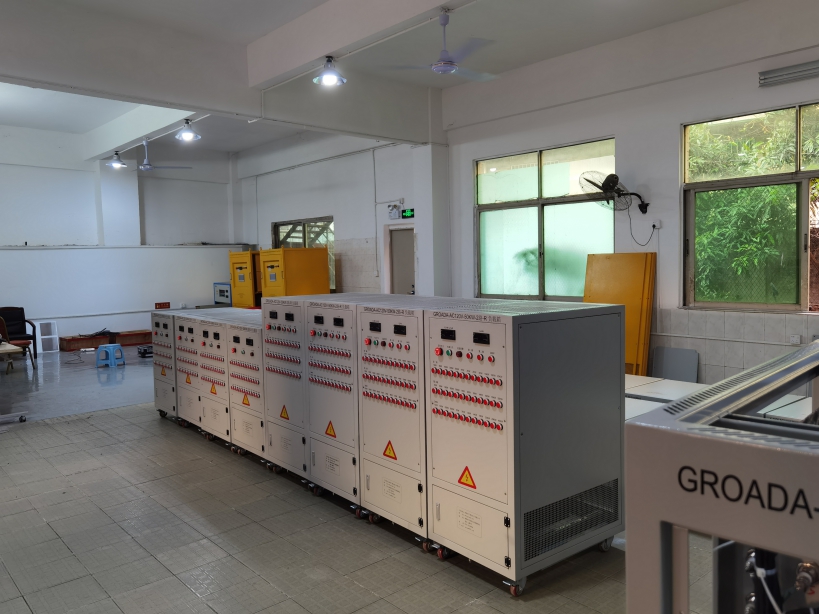
Portable load banks are essential tools for testing the performance and reliability of generators, uninterruptible power supplies (UPS), and renewable energy systems such as wind turbines and solar farms. These devices simulate real-world electrical loads by drawing power from a source—typically a generator—and dissipating it as heat through resistive, reactive, or combined RLC (resistive-inductive-capacitive) circuits. In practical applications, portable load banks are used during factory acceptance testing (FAT), commissioning of new installations, preventive maintenance schedules, and emergency preparedness drills in hospitals, data centers, and industrial facilities.
One major advantage is their ability to verify generator output under full-load conditions without consuming actual fuel or producing excess emissions. This not only reduces operational costs but also helps prevent issues like wet stacking in diesel generators caused by prolonged light loading. Advanced models now support remote monitoring via Modbus, Ethernet, or CAN interfaces, allowing engineers to log voltage, current, power factor, and temperature trends over time—critical for predictive maintenance.
Common problems include overheating due to inadequate cooling (especially in high-ambient environments), improper grounding leading to safety hazards, and inaccurate power readings if calibration is overdue. According to IEC 60034-1, motors and generators must be tested under controlled thermal conditions to ensure efficiency and lifespan. Manufacturers recommend annual calibration using certified equipment and regular inspection of resistor blocks and fan assemblies to maintain accuracy within ±1% for active power and ±2% for reactive power.
Latest trends show increasing adoption of smart load banks with IoT integration—enabling cloud-based diagnostics and automated reporting. Simulated case studies from microgrid projects indicate that routine load testing improves grid synchronization success rates by up to 30%, particularly when verifying inverter response times during islanded mode operation.