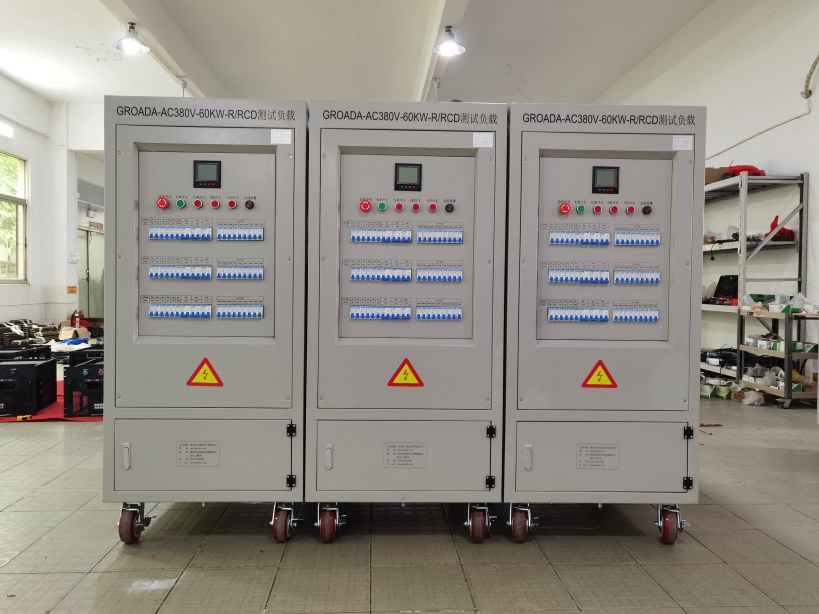
Portable load banks are essential tools in electrical testing, especially for validating the performance and reliability of generators, UPS systems, and renewable energy sources like wind turbines and solar inverters. Unlike static or fixed installations, portable load banks offer flexibility in field applications—allowing engineers to simulate real-world electrical loads during commissioning, preventive maintenance, or factory acceptance tests (FAT).
The main body of this discussion focuses on three key aspects: functionality, technical specifications, and real-world application scenarios. Resistive load banks simulate pure resistive loads such as lighting or heating elements, while reactive load banks emulate inductive or capacitive loads common in motors or power factor correction systems. Combined RLC load banks provide comprehensive testing by mimicking complex power profiles found in industrial environments. Modern units often feature digital control systems with Modbus, Ethernet, and RS-485 interfaces for remote monitoring and automation.
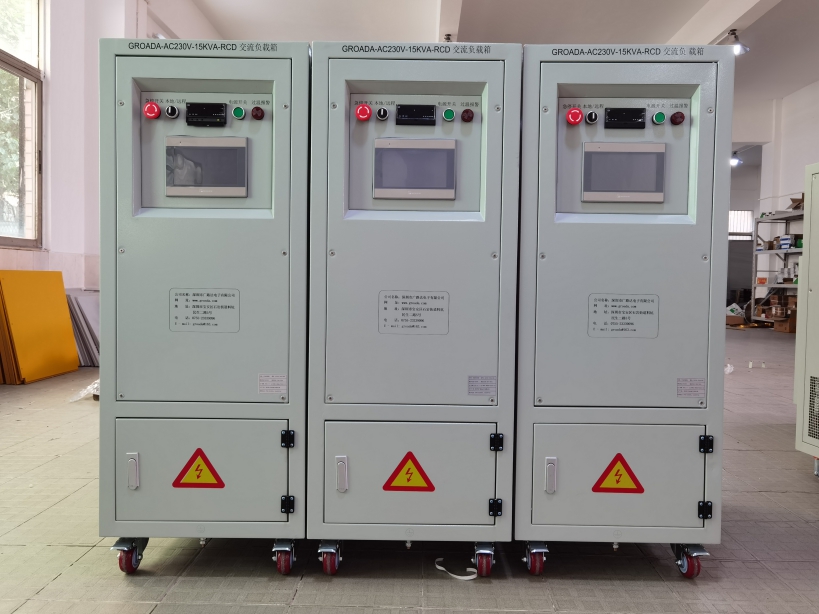
Key parameters include rated power from 10 kW up to 2,000 kVA, three-phase capability at voltages from 120V to 690V, adjustable power factor between 0.1 and 1.0, and precise measurement accuracy within ±0.5% for voltage, current, and active/reactive power. Safety features such as overtemperature protection, short-circuit detection, and emergency stop buttons comply with IEC 60204-1 and UL 508 standards. Cooling is typically achieved via forced-air convection or water-cooled systems, depending on thermal capacity needs.
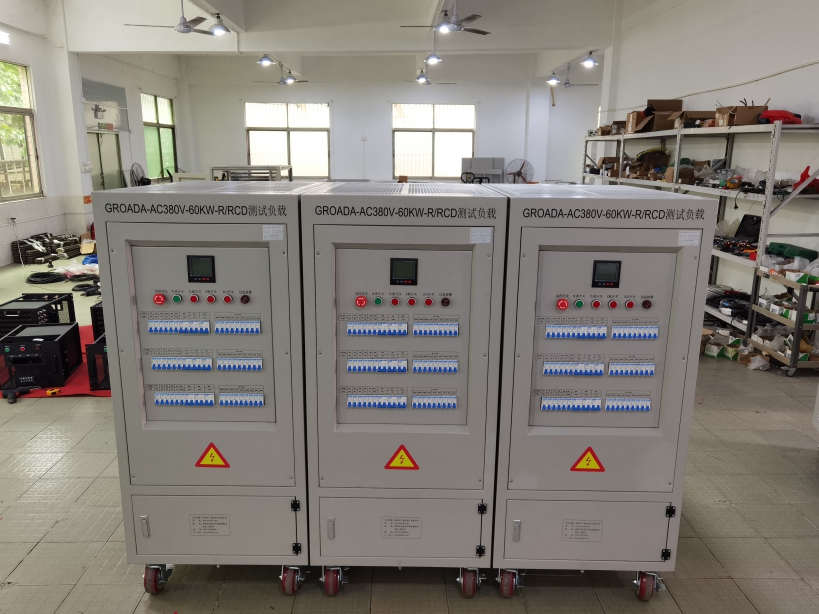
A simulated case study involving a 500 kW diesel generator used in a remote mining site demonstrated that full-load testing over 4 hours using a portable resistive load bank identified an issue in the fuel delivery system that would have otherwise gone undetected until actual operation under high load. The test allowed for corrective action before commercial deployment, saving estimated downtime costs exceeding $15,000.
In conclusion, portable load banks are indispensable for ensuring robust electrical system integrity across industries—from data centers to off-grid microgrids. Their adaptability, precision, and safety make them critical assets for any power generation and distribution project requiring reliable validation under real-world conditions.