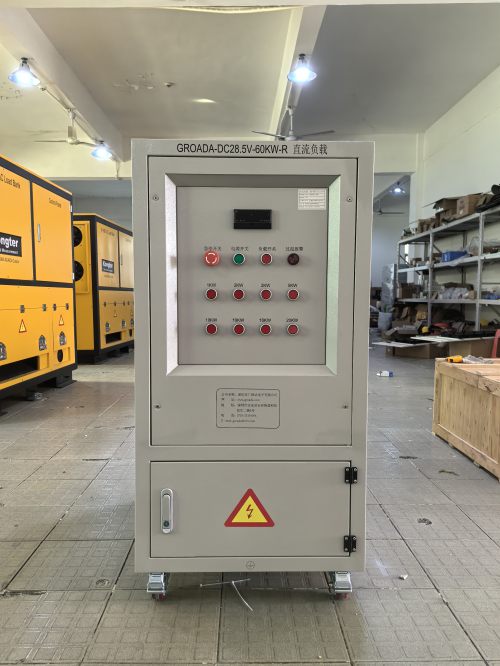
Resistive load banks are essential tools in the testing and validation of electrical power systems, particularly for generators, UPS units, and renewable energy sources. These devices simulate real-world electrical loads by converting electrical energy into heat through resistive elements, allowing engineers to verify system performance under controlled conditions. A typical resistive load bank is designed for single-phase or three-phase operation, with power ratings ranging from 50 kW to over 1,000 kW, depending on application needs. Common voltage levels include 230 V (single-phase) and 400 V (three-phase), aligning with standard industrial and commercial power systems.
Practical applications span factory acceptance tests (FATs), commissioning of backup generators, and grid integration of wind or solar farms. For example, during generator FATs, a resistive load bank can apply up to 100% of rated load for extended periods (e.g., 4–8 hours), ensuring the generator’s cooling, fuel efficiency, and voltage regulation meet specifications. In microgrid setups, such as those in remote communities, these load banks validate the stability of hybrid power systems before deployment.
Advantages include precise load control, compatibility with automated test systems via Modbus or Ethernet interfaces, and robust safety features like thermal cut-offs and overcurrent protection. However, common problems include overheating due to inadequate ventilation, uneven load distribution in multi-phase setups, and inaccurate power factor readings if not properly calibrated. Recent trends involve integrating smart sensors and IoT-based monitoring for real-time diagnostics and predictive maintenance—especially critical in remote or unattended installations.
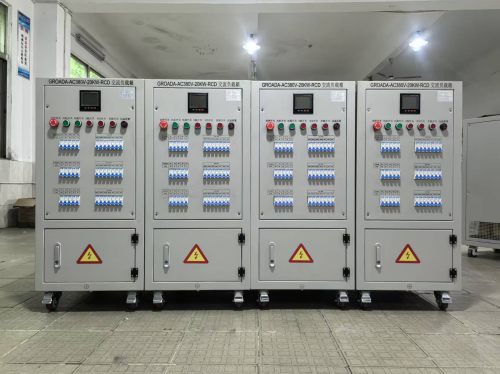
Industry standards such as IEC 60034-1 (for rotating machines) and IEEE 1159 emphasize the importance of accurate load simulation in power quality assessments. Regular calibration (typically every 12 months) and maintenance—such as cleaning resistor blocks and replacing fans—ensure long-term reliability. Portable models with IP54 rating and fork-lift pockets improve transportability across construction sites or emergency response teams.
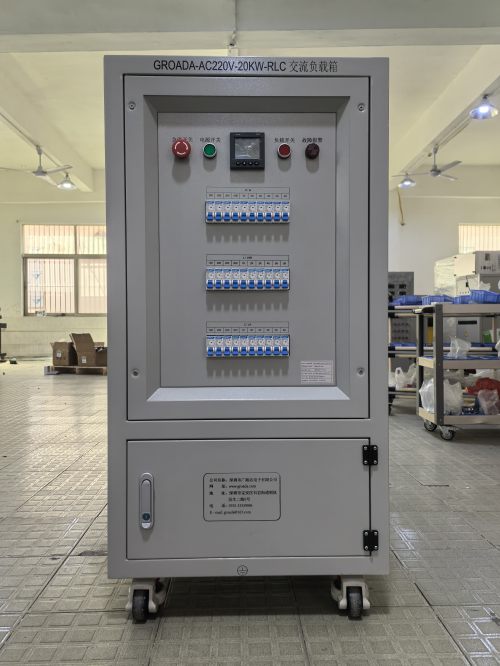
Case Study (Anonymized): A 500 kW diesel generator used in a hospital backup system underwent 72-hour continuous resistive load testing. Initial tests showed 3% voltage drop at full load; after adjusting the AVR settings, the drop reduced to<1%, meeting IEC compliance. This highlights how load bank testing directly improves system reliability in critical infrastructure.