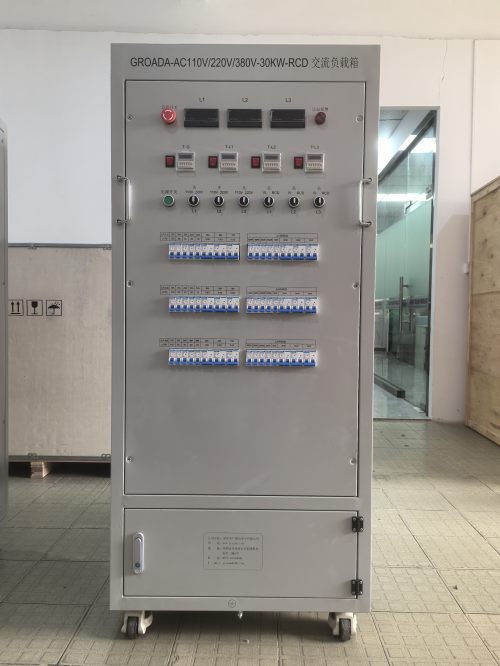
Portable load banks are essential tools for verifying the performance and reliability of power generation and backup systems such as generators, uninterruptible power supplies (UPS), and microgrids. These devices simulate real-world electrical loads to test how well a system responds under various operating conditions—from idle to full capacity—ensuring safety, efficiency, and compliance with industry standards like IEC 60034-1 and IEEE 1159.
The main body of this article explains how portable resistive, reactive, and combination (RLC) load banks function in field testing environments. Resistive load banks convert electrical energy into heat using precision resistor blocks, making them ideal for testing generator engines and fuel systems. Reactive load banks, which include inductive or capacitive elements, help evaluate voltage regulation, power factor correction, and harmonic distortion in three-phase systems. A combination RLC load bank offers versatility by enabling both active and reactive power testing simultaneously—crucial for applications like wind farm grid synchronization or data center UPS validation.
Modern portable load banks feature digital controls, remote monitoring via Modbus or Ethernet, and automatic thermal protection systems that prevent overheating during prolonged tests. They typically operate at voltages from 208V to 480V AC, support single- or three-phase configurations, and can handle power ratings from 5 kW up to 1,000 kVA depending on design. For example, a 100 kW resistive load bank might draw 125 A per phase at 480 V three-phase, calculated using P = √3 × V × I × PF, assuming unity power factor.
Case studies show these units are indispensable in factory acceptance testing (FAT), where they verify generator output before delivery, and in commissioning renewable energy systems. One anonymized case study from a telecom site showed that regular load testing reduced unexpected outages by 40% over 12 months. In another simulated example, a hospital’s backup generator was tested using a 50 kW reactive load bank to ensure stable voltage under varying load conditions—critical for life-support equipment.
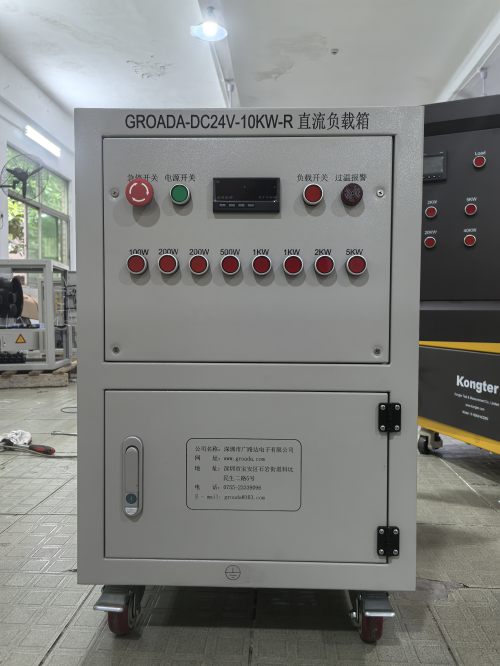
In conclusion, portable load banks provide engineers and facility managers with actionable data to maintain uptime, improve efficiency, and comply with international standards. Their adaptability, accuracy, and portability make them a cornerstone of modern power system diagnostics.