
Resistive load banks are essential tools for verifying the performance, reliability, and safety of electrical power systems such as generators, uninterruptible power supplies (UPS), and inverters. These devices simulate real-world electrical loads by converting electrical energy into heat through resistive elements—typically metal oxide or wire-wound resistors—allowing engineers to test system behavior under full, partial, or variable load conditions.
For generator testing, a resistive load bank helps validate engine performance, cooling efficiency, fuel consumption, and voltage regulation under steady-state and transient conditions. According to IEC 60034-1, motor and generator tests must include load verification to ensure operational compliance with rated specifications. In practice, this means applying up to 100% of the generator’s rated load for at least one hour to confirm stable operation. For example, in an anonymized case study involving a 500 kW diesel generator, resistive loading revealed a 3% voltage drop during peak load, prompting adjustments to the automatic voltage regulator (AVR) settings—resulting in improved stability.
In UPS environments, resistive load banks help assess battery runtime, inverter efficiency, and transfer switch functionality. They also support routine maintenance checks by mimicking IT server rack loads without requiring actual equipment. A simulated example from a data center in Singapore showed that a 150 kVA UPS passed its load test at 80% capacity but failed at 100%, indicating degraded battery health that was addressed before a potential outage.
Modern resistive load banks feature digital control interfaces like Modbus TCP/IP or RS-485, enabling remote monitoring via SCADA or cloud platforms. Key technical parameters include adjustable power factor (typically 0.8–1.0), wide current range (e.g., 50–500 A per phase), thermal protection (trip at >120°C), and IP54 enclosures for industrial use. Cooling methods may involve forced air (fans) or water-cooled systems depending on power density. Compliance with CE, UL, and CCC certifications ensures safe operation across global markets.
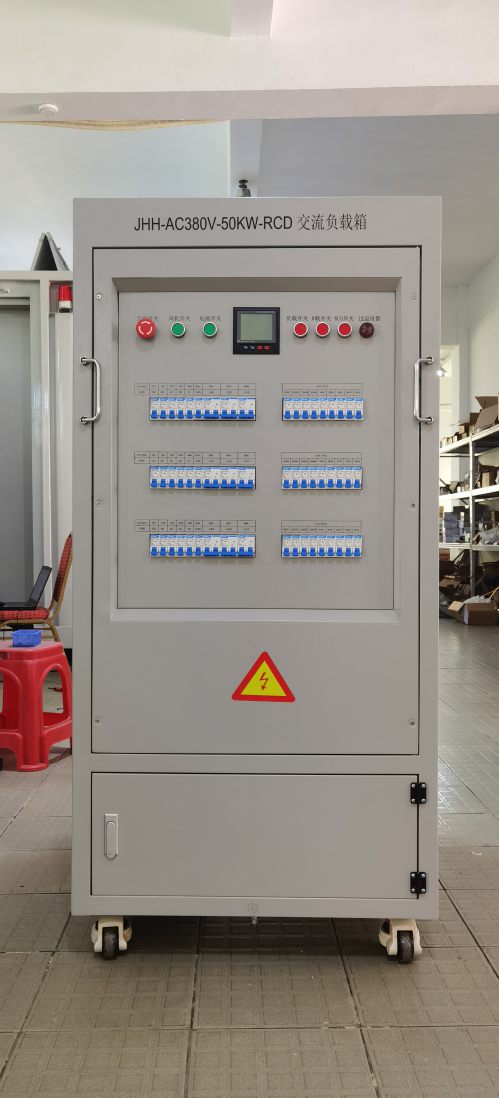
Regular calibration (every 12 months) using NIST-traceable standards guarantees measurement accuracy within ±1%. Maintenance includes inspecting resistor blocks for oxidation, cleaning filters, and replacing fans every 2–3 years based on operating hours.
This comprehensive approach to load testing—not only validates equipment readiness but also enhances long-term asset management and reduces unexpected downtime in mission-critical applications.