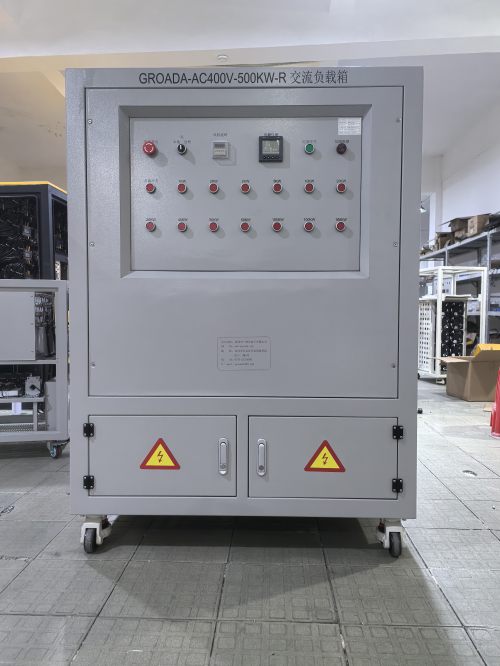
Resistive load banks are essential tools in the testing and validation of electrical power systems, particularly for generators, UPS units, and renewable energy sources like wind turbines and solar inverters. These devices simulate real-world electrical loads by converting electrical energy into heat through resistive elements, allowing engineers to verify performance under full or partial load conditions.
The core function of a resistive load bank is to provide a controlled, measurable resistance that mimics the behavior of actual electrical equipment such as motors, lighting, or heating systems. This enables thorough evaluation of generator output stability, voltage regulation, fuel efficiency, and emissions—all critical for both factory acceptance tests (FAT) and field maintenance procedures. According to IEC 60034-1, motor and generator testing standards require precise load application to ensure safe operation and long-term reliability.
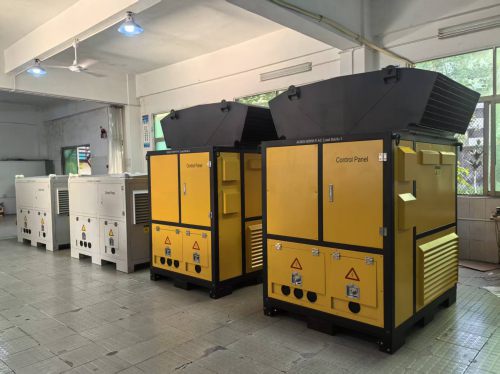
Modern resistive load banks offer three-phase configurations with adjustable power factors and remote monitoring via Modbus or Ethernet interfaces. Typical ratings range from 50 kW to 5000 kW, with options for air-cooled or water-cooled designs depending on thermal management needs. Key specifications include voltage ranges (220–690 V AC), current handling (up to 1000 A per phase), and accuracy within ±1% for active power measurements. Safety features such as overtemperature protection, emergency stop buttons, and grounding compliance with UL/CE standards ensure safe operation during prolonged testing sessions.
A simulated example from a diesel generator manufacturer shows how a 1000 kW resistive load bank was used to conduct a 12-hour load test at 75% capacity. The results revealed a 3.2% drop in voltage under load—well within acceptable limits per IEEE 1159—leading to minor adjustments in AVR settings. This improved the unit’s grid synchronization capability before commissioning.
For portability, many load banks feature IP54-rated enclosures, lifting eyes, and fork-lift pockets, making them suitable for mobile applications across construction sites, military operations, or temporary event power setups. Regular calibration every 12 months and replacement of resistor blocks every 5 years are recommended based on industry best practices outlined in the IEEE Guide for Load Testing of Power Equipment (2020).