
A single phase load bank is an essential testing device used to simulate electrical loads in power systems, particularly for verifying the performance of generators, uninterruptible power supplies (UPS), and other AC power sources. Unlike three-phase systems, single phase load banks are designed for applications where only one phase of power is available or required—commonly found in residential, small commercial, and remote industrial setups. These units allow engineers to perform controlled load tests under real-world conditions without relying on actual connected equipment.
Single phase load banks typically operate by converting electrical energy into heat through resistive elements, though reactive (inductive or capacitive) and combination RLC types are also available. Resistive load banks are the most common due to their simplicity, reliability, and ability to test both active power delivery and thermal stability. They can be manually or remotely controlled using digital interfaces like Modbus, Ethernet, or RS-485, enabling automated testing protocols for factory acceptance tests (FAT), commissioning, or preventive maintenance.
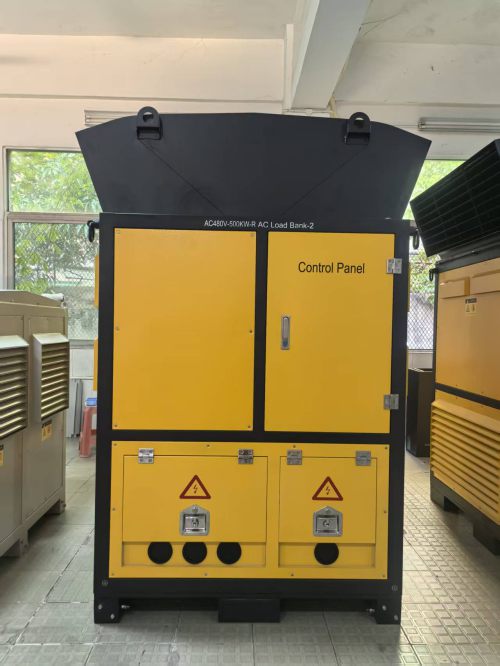
Key technical parameters include rated power (from 1 kW to 100+ kW), voltage compatibility (e.g., 120 V, 230 V, or 240 V), current range (up to 100 A), and adjustable power factor from 0.8 lagging to 1.0 (for resistive-only models). Thermal protection features such as temperature sensors, automatic shut-off, and forced-air cooling ensure safe operation during extended testing periods. Modern portable single phase load banks often feature IP54 enclosures, lifting eyes, and fork-lift pockets for easy transport and field deployment.
These devices play a critical role in compliance with international standards such as IEC 60034-1 for motor/generator testing and IEEE 1159 for power quality verification. In one anonymized case study, a 15 kW single phase resistive load bank was used to test a standby generator at a rural clinic; the test confirmed stable voltage regulation within ±2% over 4 hours at full load, ensuring reliable backup power during outages. Another simulated example demonstrated how a 5 kW unit helped optimize a UPS system’s battery discharge cycle, reducing runtime errors by 30%.
For professionals in electrical engineering, facility management, or renewable energy integration, selecting a single phase load bank with proper safety certifications (CE, UL, CCC) and accurate measurement capabilities (±1% accuracy for voltage, current, and power) is crucial. Regular calibration every 12 months and replacement of resistor blocks or fans every 3–5 years ensure long-term reliability.