
Battery load bank testing is a critical procedure used to evaluate the performance, reliability, and safety of battery energy storage systems (BESS), particularly in applications such as grid-scale storage, backup power, and renewable integration. A battery load bank simulates real-world electrical loads by drawing power from the battery under controlled conditions, allowing engineers to verify capacity, efficiency, charge/discharge cycles, and thermal behavior over time. Unlike traditional generator load banks, battery load banks must handle variable voltage profiles, dynamic current demands, and precise control over discharge rates—often ranging from 1 kW to 1000 kW or more depending on system size.
Modern battery load banks are typically resistive or combination (resistive-reactive-capacitive) types, with active electronic circuits that can mimic both constant power and constant current loads. They often include built-in monitoring for voltage, current, state of charge (SOC), temperature, and internal resistance—all essential parameters for assessing battery health and aging. Standards such as IEC 62619 (safety requirements for secondary lithium cells) and IEEE 1547 (interconnection standards for distributed resources) emphasize the need for rigorous load testing before deployment, especially in utility-scale projects.
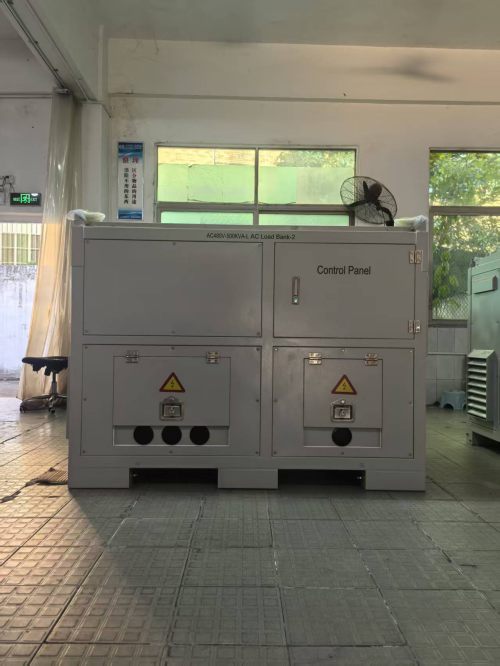
A typical test might involve discharging a 500 kWh lithium-ion battery pack at 80% of its rated capacity for 4 hours while logging voltage sag, temperature rise, and SOH degradation. In one anonymized case study conducted at a solar-plus-storage facility, a battery load bank revealed a 12% drop in usable capacity after 300 full cycles—a finding that led to recalibration of the battery management system (BMS) and improved long-term performance.
Key features of advanced battery load banks include remote monitoring via Modbus TCP or CAN bus, automatic shutdown on overheating, and compliance with CE/UL/CCC certifications for global market access. Cooling is usually air-based but may be liquid-cooled in high-power units (>500 kW). Maintenance involves regular calibration (every 12 months), fan replacement every 3–5 years, and inspection of contactors and fuses.
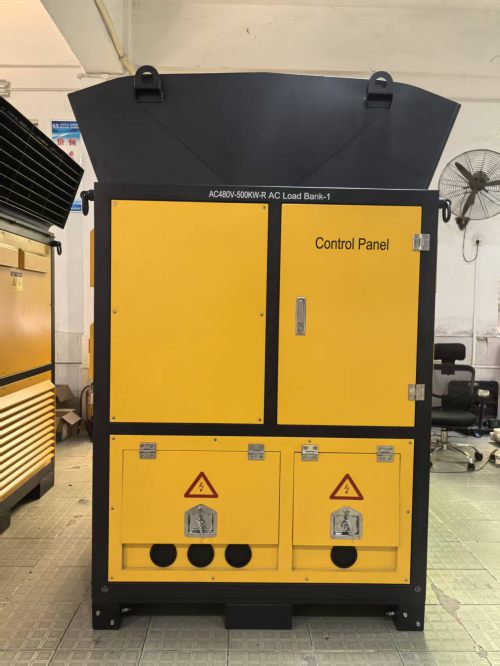
This testing process ensures that batteries perform safely and efficiently under various operational scenarios—including fast charging, deep cycling, and grid fault conditions—making it indispensable for project developers, OEMs, and grid operators seeking reliable energy storage solutions.