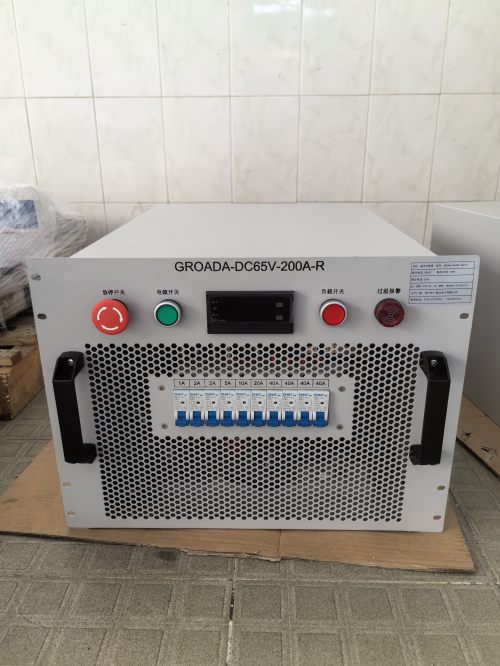
Resistive load banks are essential tools in electrical testing, particularly for validating generator performance under real-world conditions. These devices simulate the electrical load that a generator would experience during operation, allowing engineers to verify output stability, voltage regulation, and thermal endurance before commissioning or maintenance. A typical resistive load bank consists of precision resistor blocks arranged in single-phase or three-phase configurations, with power ratings ranging from 50 kW to over 2 MW depending on application needs.
The core function of a resistive load bank is to convert electrical energy into heat through controlled resistance, mimicking the behavior of purely resistive loads like heaters or incandescent lighting. Unlike reactive or capacitive loads, resistive systems do not store or return energy, making them ideal for initial load testing and factory acceptance tests (FAT). According to IEC 60034-1, generators must undergo full-load testing at rated power factor to ensure mechanical and thermal integrity—resistive load banks directly support this requirement by delivering stable, predictable load profiles.
Modern portable resistive load banks often include digital controls via Modbus or CAN interfaces, enabling remote monitoring of voltage, current, active power, and temperature rise. Thermal protection circuits prevent overheating, while overvoltage/undervoltage safeguards protect connected equipment. For example, a 150 kW three-phase resistive load bank used in a microgrid project demonstrated consistent performance over 8 hours at 100% load, with measured efficiency within ±2% of expected values—a result aligned with IEEE Std 1159 guidelines on power quality.
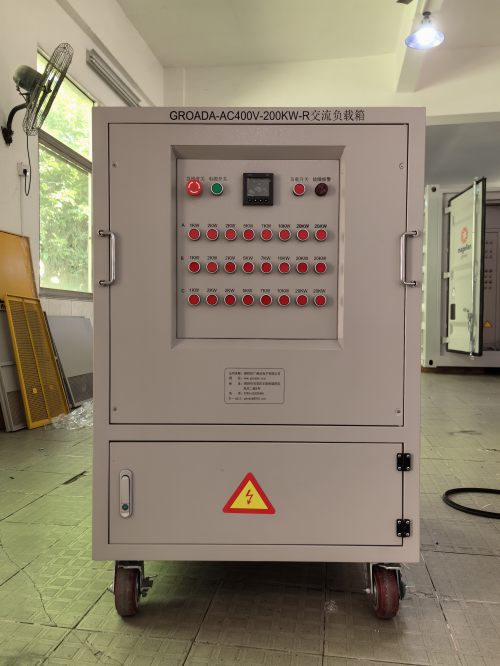
Safety features such as E-STOP buttons, grounding compliance, and CE/UL certifications ensure safe operation in industrial settings. Mechanical design includes IP54-rated enclosures, fork-lift pockets, and lifting eyes for easy transport across job sites. Regular calibration every 12 months using traceable standards maintains accuracy, while fan replacement cycles typically occur after 5,000 operating hours.
In summary, resistive load banks provide reliable, repeatable testing for generators, UPS systems, and renewable energy sources. Their simplicity, robustness, and compatibility with standard test procedures make them indispensable in both field service and factory environments.