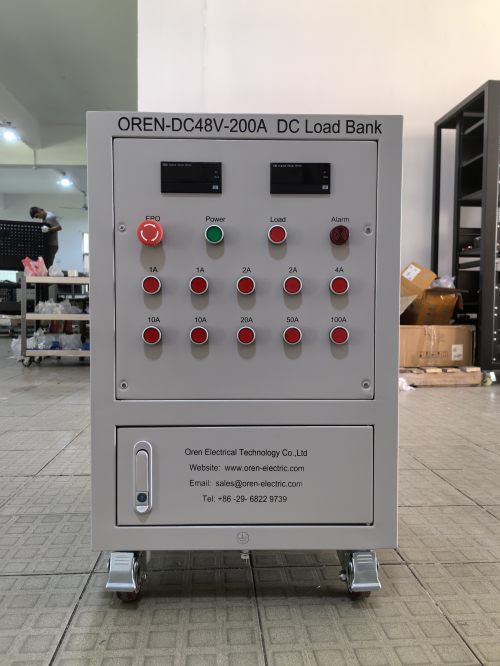
Portable load banks are essential tools in the electrical engineering field, particularly for validating the performance of generators, UPS systems, and renewable energy sources such as wind turbines and solar inverters. These devices simulate real-world electrical loads to ensure that power generation equipment operates reliably under various conditions—from full load to partial load scenarios—before being deployed in critical infrastructure.
The introduction to portable load bank testing highlights its role in factory acceptance testing (FAT), commissioning, preventive maintenance, and grid integration verification. Unlike static or fixed load banks, portable models offer flexibility in installation, allowing engineers to test equipment on-site without requiring relocation of the generator. This is especially valuable in remote locations, construction sites, or emergency backup systems where mobility and adaptability are crucial.
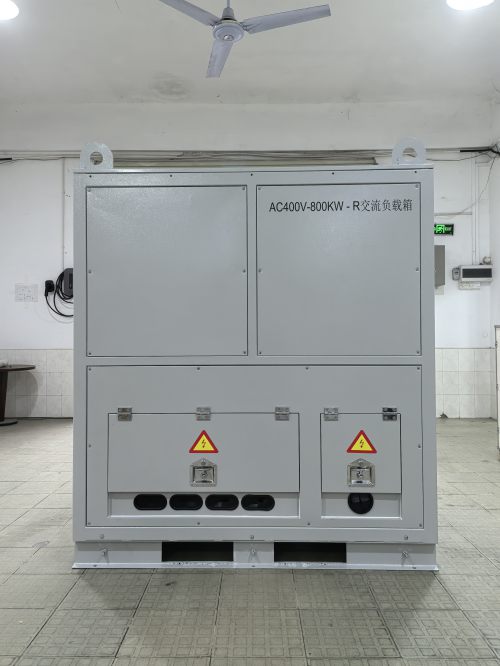
In the main body, we explore key technical aspects: resistive, reactive, and combination (RLC) load banks each serve distinct purposes. Resistive load banks are ideal for testing engine cooling, fuel consumption, and voltage regulation, while reactive load banks simulate inductive or capacitive loads from motors and transformers. A three-phase resistive load bank with adjustable power factor control ensures compatibility with both single- and three-phase generators. Modern portable units often include digital controls, remote monitoring via Modbus or Ethernet, and thermal protection systems that prevent overheating during prolonged tests. Safety features such as short-circuit protection, overvoltage/undervoltage safeguards, and emergency stop mechanisms comply with IEC 60034-1 and UL/CE standards.
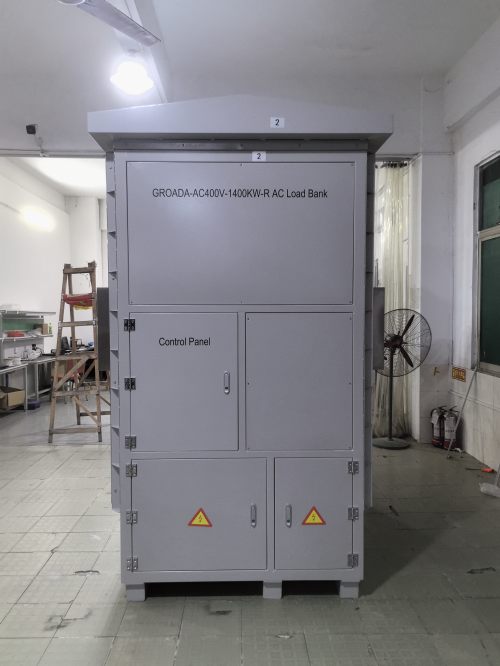
Case studies demonstrate effectiveness: a simulated example from a microgrid project shows how a 50 kW portable resistive load bank was used to validate a diesel generator’s response time and frequency stability over 24 hours. The test revealed minor voltage dips at 75% load, prompting adjustments in AVR settings that improved system resilience. Another anonymized case from a hospital's backup generator maintenance program illustrates how quarterly load testing reduced failure risk by 40% over two years.
The conclusion emphasizes that portable load banks are not just diagnostic tools—they are strategic assets for ensuring operational continuity, regulatory compliance, and long-term asset health. Engineers must choose based on application needs, environmental constraints, and measurement accuracy requirements. With proper calibration and regular maintenance, these systems deliver consistent, repeatable results across industries including healthcare, data centers, oil & gas, and utility-scale renewables.