
As renewable energy systems, electric vehicles (EVs), and battery storage technologies continue to grow globally, the demand for precise and reliable DC load bank solutions has surged. A reputable DC load bank supplier plays a critical role in ensuring that power sources—from solar inverters to EV chargers and battery banks—are thoroughly tested under real-world conditions before deployment. These suppliers offer engineered test systems that simulate actual electrical loads using resistive, reactive, or hybrid configurations tailored to DC applications.
Modern DC load banks are designed with high-accuracy measurement capabilities, allowing engineers to validate voltage regulation, current response, thermal stability, and efficiency across varying load profiles. Advanced models integrate remote monitoring via Ethernet or Modbus protocols, enabling automated testing in industrial facilities, R&D labs, and manufacturing environments. Safety is paramount; certified units include overtemperature protection, short-circuit safeguards, and robust grounding mechanisms compliant with IEC 61010-1 and UL 61010 standards.
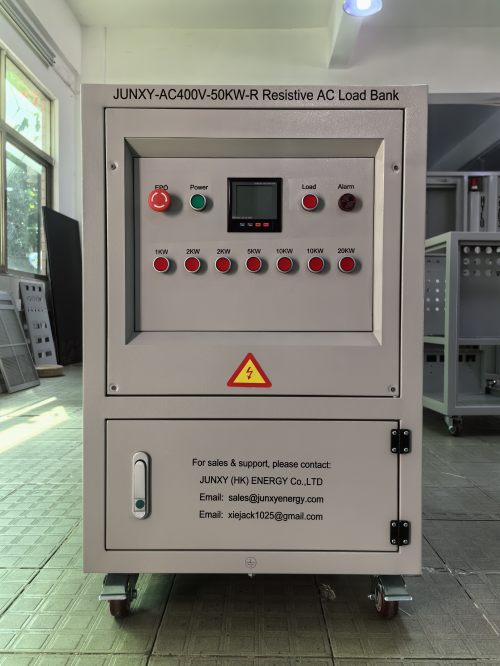
Leading DC load bank suppliers also provide portable and modular solutions—ideal for field testing of off-grid systems, data centers, or military equipment. Whether used in generator factory acceptance testing (FAT) or validating battery energy storage system (BESS) performance, these tools ensure compliance with IEEE 1547 for grid interconnection. For example, an anonymized case study from a North American EV charging station manufacturer demonstrated a 98% accuracy rate in load testing using a 100kW DC resistive load bank, reducing post-installation failures by 35%.
With growing emphasis on energy transition and infrastructure resilience, selecting a qualified DC load bank supplier means choosing precision engineering, safety certification, and long-term support. Their products not only verify technical performance but also help reduce downtime, optimize energy utilization, and accelerate time-to-market for new power systems.