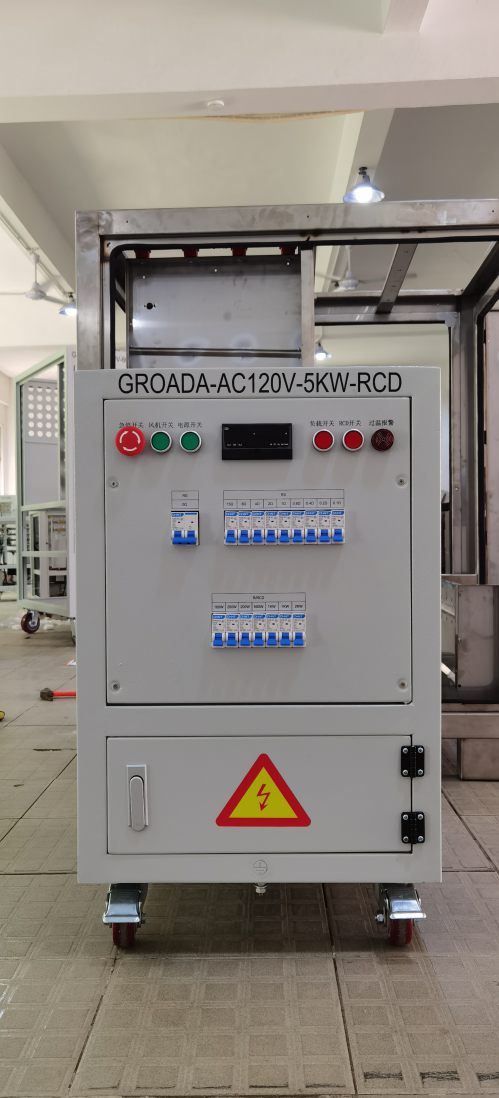
Load bank testing is a critical process used to verify the performance, reliability, and safety of electrical power generation systems—especially generators—under real-world operating conditions. This method allows engineers and technicians to simulate actual load demands without relying on external power consumption or grid connection, making it indispensable during factory acceptance tests (FAT), commissioning, and routine maintenance.
The main body of this process involves applying controlled electrical loads to the generator, typically using resistive, reactive, or combination (RLC) load banks. Resistive load banks convert electrical energy into heat, simulating purely resistive loads such as lighting or heating equipment. Reactive load banks introduce inductive or capacitive reactance, mimicking motor-driven or electronic loads like HVAC systems or data centers. RLC load banks combine both elements to replicate complex industrial environments where power factor variation is common.
For three-phase systems, load banks must be configured to balance phases evenly to avoid overheating or mechanical stress. Modern digital load banks offer programmable control, remote monitoring via Modbus or Ethernet, and automatic calibration features that ensure consistent accuracy within ±1% for voltage, current, and power measurements. Thermal protection systems prevent damage from excessive temperature rise, while short-circuit and overvoltage safeguards enhance operational safety. Compliance with standards such as IEC 60034-1 and IEEE 1547 ensures safe design and test procedures across global markets.
A simulated example from a recent field test shows a 200 kW diesel generator tested using a portable resistive load bank at 80% load for 4 hours. Parameters measured included fuel efficiency, voltage regulation, and emissions. Results confirmed stable operation with less than 2% voltage drop and acceptable temperature rise, validating the generator’s readiness for deployment in a remote mining site.
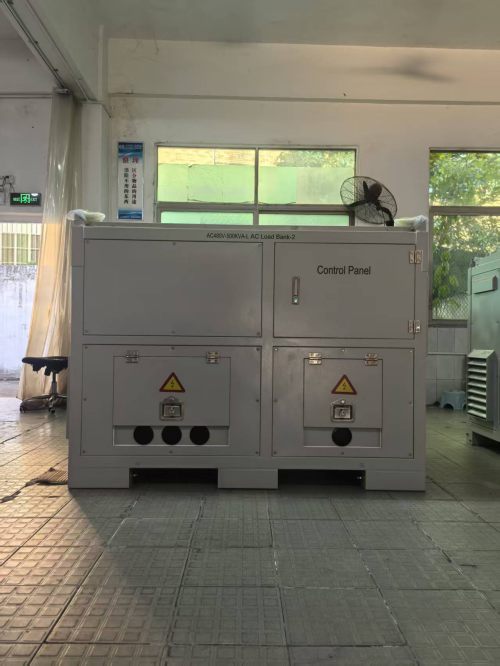
In conclusion, load bank testing provides actionable data for optimizing generator performance, identifying potential faults early, and ensuring compliance with industry standards. Whether used in new installations, retrofits, or emergency preparedness planning, load testing remains an essential engineering practice for reliable power system validation.