
Portable load banks are essential tools for validating the performance of generators, uninterruptible power supplies (UPS), and other electrical systems under real-world operating conditions. These devices simulate electrical loads to test equipment capacity, efficiency, and reliability before deployment or during routine maintenance. A well-designed portable load bank allows engineers to verify that a generator can deliver rated power at full load without overheating or voltage instability—a critical step in ensuring system resilience for hospitals, data centers, and industrial facilities.
Modern portable load banks typically offer resistive, reactive, or combination (RLC) loading capabilities. Resistive load banks convert electrical energy into heat using high-power resistor grids, ideal for testing generator output capacity and cooling systems. Reactive load banks introduce inductive or capacitive loads to evaluate power factor correction, while RLC models provide comprehensive testing by simulating mixed load profiles found in actual applications. For example, a three-phase 100 kW resistive load bank can be used to perform a 2-hour full-load test on a diesel generator, measuring voltage regulation, frequency stability, and fuel consumption.
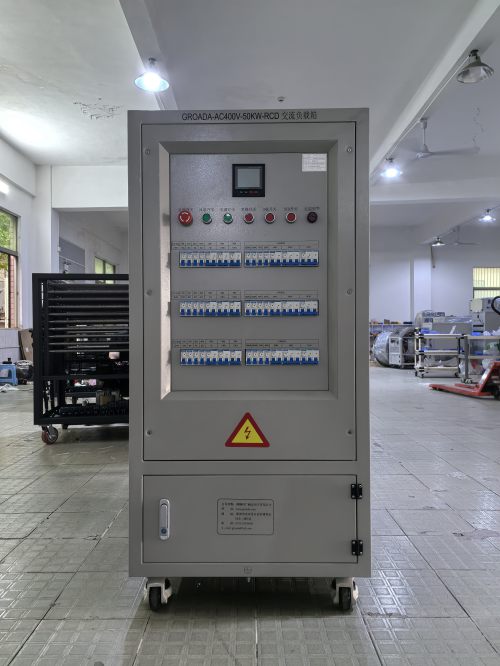
Key technical features include remote control via Modbus TCP/IP or RS-485 interfaces, real-time monitoring of voltage, current, active/reactive power, and power factor, as well as automatic thermal protection and emergency stop functions. Safety certifications such as CE, UL, and CCC ensure compliance with international standards like IEC 60034-1 for motor testing and IEC 61000-4-2 for electromagnetic compatibility. Portable units often have IP54-rated enclosures, lifting eyes, and fork-lift pockets for easy transport across job sites.
Case studies show that regular load testing improves uptime: one anonymized case from a data center in Singapore revealed a 15% reduction in unexpected outages after implementing monthly load bank tests. Another simulated example from a microgrid project demonstrated improved grid synchronization when reactive load banks were used to fine-tune power factor during commissioning.
For optimal performance, manufacturers recommend annual calibration using certified reference instruments and replacement of resistor blocks every 5 years or after 1000 hours of operation. Maintenance logs and remote diagnostics via cloud-based platforms enhance long-term asset management.