
Portable load banks are essential tools for testing the performance, reliability, and safety of electrical power systems—especially generators used in backup, industrial, or remote applications. These devices simulate real-world electrical loads to verify that a generator can handle full or partial power demands without failure. A typical portable resistive load bank, for example, can be connected to a diesel or natural gas generator to test its ability to deliver consistent voltage and frequency under varying loads. In practical applications, such testing is critical during factory acceptance tests (FAT), commissioning new installations, and routine maintenance. According to IEC 60034-1, generators must undergo load testing at least up to 100% of rated capacity to ensure proper excitation and cooling system functionality.
One key advantage of portable load banks is their flexibility—they can be moved between sites, making them ideal for mobile testing of construction site generators, military units, or emergency response vehicles. Modern units often include digital control panels with remote monitoring via Ethernet or Modbus, enabling real-time data logging of voltage, current, power factor, and temperature rise. This helps engineers identify early signs of degradation, such as uneven load distribution or overheating components.
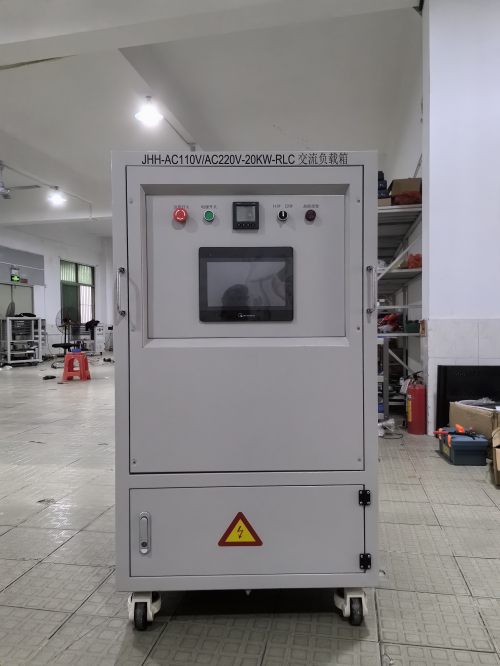
However, common problems exist if not properly managed. Overheating due to inadequate ventilation or prolonged high-load operation can damage resistor blocks, especially in air-cooled models. Also, improper grounding or mismatched phase connections may lead to inaccurate readings or even equipment damage. To avoid these, best practices include pre-test checks, thermal protection verification, and adherence to manufacturer guidelines on maximum duty cycles.
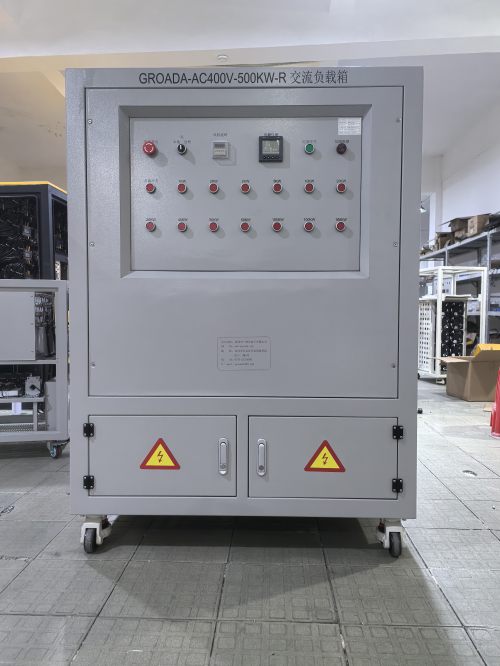
Latest trends include the integration of smart sensors and cloud-based analytics, allowing predictive maintenance based on historical load profiles. For instance, an anonymized case study from a wind farm project showed that monthly load testing using a 500 kW three-phase reactive load bank reduced unplanned outages by 42% over six months by detecting insulation wear in turbine generators before failure. These advancements are making portable load banks not just diagnostic tools but strategic assets for grid resilience.