
Load bank testing is a critical process used to evaluate the performance, reliability, and safety of generators, uninterruptible power supplies (UPS), and other electrical power systems. Whether in industrial facilities, data centers, or remote energy installations, ensuring that power generation equipment operates under real-world conditions is essential for preventing unexpected failures during actual load demand.
The main body of load bank testing revolves around simulating electrical loads to assess how a system responds under various operating conditions. There are three primary types: resistive, reactive, and combination (RLC) load banks. Resistive load banks simulate purely resistive loads like lighting or heating systems—ideal for testing generator output capacity and cooling systems. Reactive load banks, which introduce inductive or capacitive loads, are used to test power factor correction systems and generator excitation control. Combination load banks provide a mix of resistive and reactive elements to mimic complex real-world loads such as motors, transformers, and variable frequency drives.
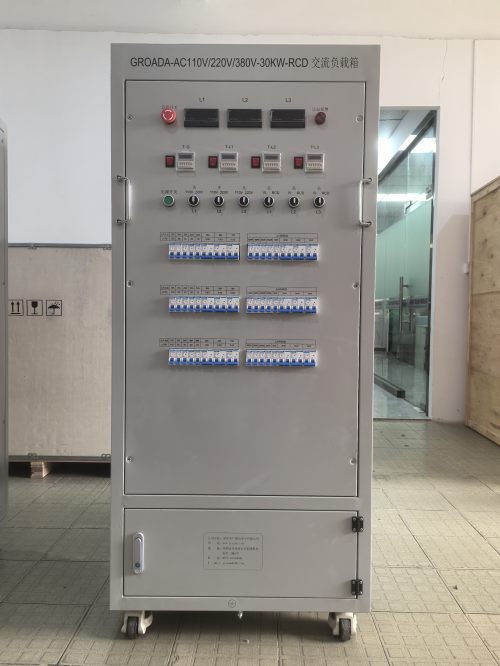
Modern load banks often feature advanced controls such as Modbus, Ethernet, and CAN communication protocols, enabling remote monitoring and automation. They comply with international standards like IEC 60034-1 for motor and generator testing, IEEE 1159 for power quality, and CE/UL/CCC certifications for safety and electrical compliance. These standards ensure safe operation, accurate measurement, and consistent performance across different environments and regions.
Case studies show the practical benefits of regular load testing. For example, an anonymized case study from a wind farm in Northern Europe demonstrated that after monthly load bank testing, the facility reduced unplanned outages by 40% over one year. Similarly, a data center in Singapore used a portable three-phase resistive load bank for UPS validation, confirming 100% backup runtime before a major infrastructure upgrade.
In conclusion, load bank testing is not just a procedural formality—it’s a vital engineering practice that ensures power systems remain robust, efficient, and ready for real-world demands. With proper selection, calibration, and routine use, load banks enhance both operational confidence and long-term asset life.