
Portable load banks are essential tools in the testing and validation of power generation systems, particularly for generators used in critical infrastructure, remote operations, and emergency backup applications. These devices simulate real-world electrical loads to ensure that a generator can deliver its rated power under various operating conditions—without relying on actual utility or connected equipment. This process is crucial during factory acceptance tests (FAT), commissioning, and routine maintenance.
The main body of this discussion covers three key aspects: types of portable load banks (resistive, reactive, and combination), their technical specifications, and typical applications across industries. Resistive load banks convert electrical energy into heat using precision resistor blocks, making them ideal for testing engine performance, cooling systems, and voltage regulation. Reactive load banks, often inductive or capacitive, simulate inductive or capacitive loads such as motors or transformers—allowing engineers to verify reactive power handling, power factor correction, and system stability. Combination (RLC) load banks provide both resistive and reactive components, enabling comprehensive load testing that mirrors complex grid environments.
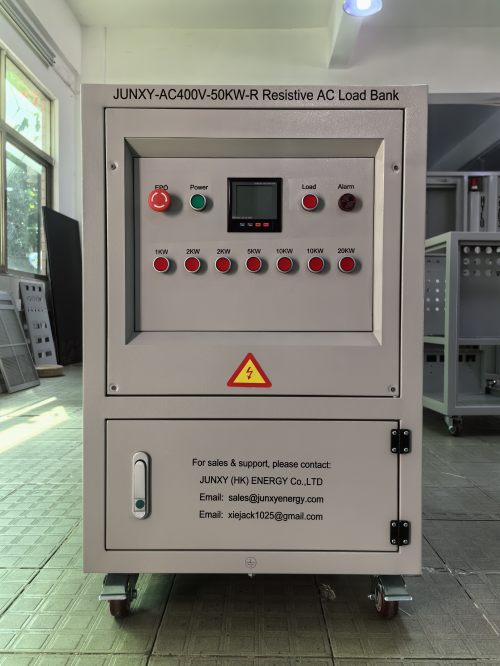
Technical features vary by model but typically include three-phase operation (up to 480 VAC), adjustable power factors from 0.1 to 1.0, and digital control interfaces like Modbus TCP or RS-485 for remote monitoring. Cooling methods range from forced air to water-cooled systems for high-power units, with thermal protection mechanisms preventing overheating. Safety standards such as IEC 60034-1 and UL 1004 guide design for electrical safety, while IP54-rated enclosures ensure durability in harsh environments. Portability is enhanced through forklift pockets, lifting eyes, and compact designs, allowing easy transport between sites.
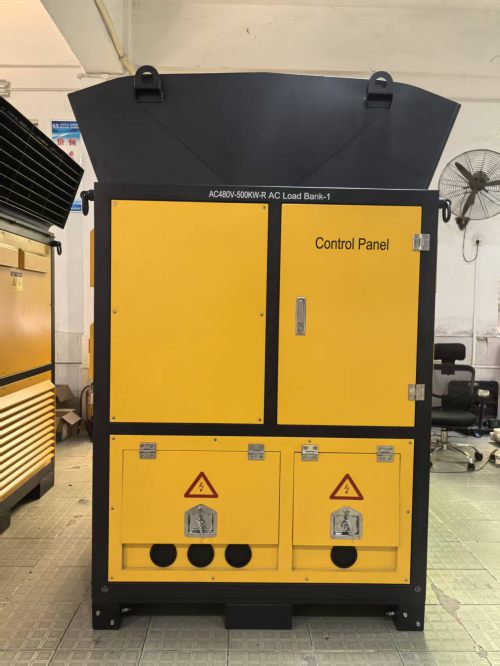
Applications span industrial facilities, hospitals, data centers, and renewable energy projects like wind farms and microgrids. For example, an anonymized case study at a hospital in Texas showed that monthly load testing with a 100 kW resistive load bank improved generator reliability by 27% over six months—identifying issues with fuel delivery and automatic transfer switch timing before they caused failures. Another simulated example from a solar-plus-storage project demonstrated how reactive load testing helped optimize power factor correction, reducing reactive losses by 15%.
In conclusion, portable load banks are indispensable for validating generator performance and ensuring operational readiness. Their versatility, compliance with international standards, and integration with modern control systems make them vital assets in today’s demanding power systems. Engineers and facility managers must prioritize regular load testing—not just for compliance, but for long-term resilience and efficiency.