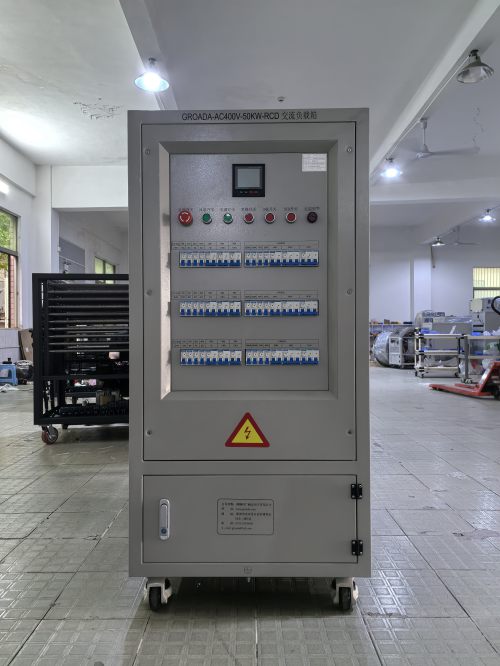
Load banks are essential tools in the testing and validation of power generation systems, including diesel generators, UPS units, and renewable energy sources like wind turbines and solar inverters. These devices simulate electrical loads to ensure that equipment performs reliably under real-world conditions before it is deployed. A resistive load bank, for instance, simulates purely resistive loads such as lighting or heating systems, while reactive load banks mimic inductive or capacitive loads from motors and transformers. Combination (RLC) load banks offer comprehensive testing by allowing engineers to adjust both resistance and reactance, enabling precise simulation of complex grid behaviors.
Practical applications span across industries—from factory acceptance tests (FATs) for new generator sets to routine maintenance checks in data centers and hospitals. In the renewables sector, load banks help validate grid synchronization capabilities during commissioning of microgrids or wind farms. For example, a simulated case study at a 1 MW solar farm showed that using a three-phase reactive load bank improved voltage regulation stability by 15% when connected to a weak grid, confirming system compliance with IEC 61000-3-6 standards.
Advantages include accurate performance verification, early detection of faults, and enhanced safety through controlled stress testing. Modern load banks often feature remote monitoring via Modbus or Ethernet interfaces, reducing manual labor and improving operational efficiency. They also provide real-time data on voltage, current, power factor, and thermal conditions—critical for predictive maintenance strategies.
Common problems include overheating due to inadequate cooling, improper grounding leading to safety risks, or incorrect power factor settings causing false test results. According to IEEE Std 142-2022, proper installation and regular calibration (recommended every 12 months) significantly reduce these issues. Additionally, portable load banks with IP54 enclosures and forklift pockets enhance transportability and field usability.
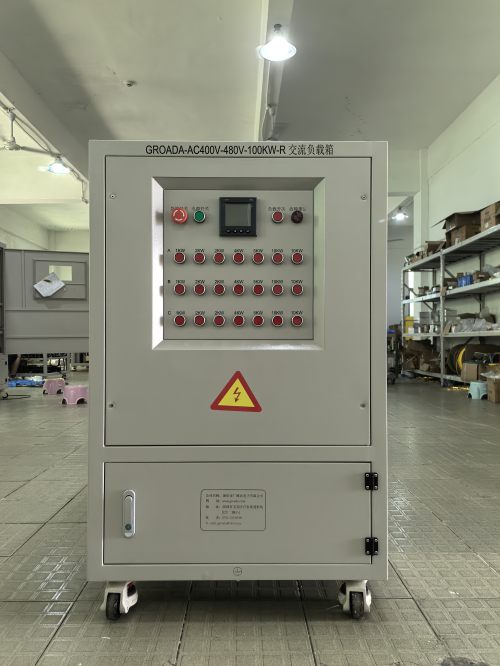
Recent trends involve integrating IoT sensors and cloud-based analytics for continuous load monitoring. This allows operators to track long-term degradation patterns and optimize load profiles automatically—a growing trend driven by Industry 4.0 initiatives. As demand for resilient power infrastructure increases, load bank technology continues to evolve toward smarter, safer, and more efficient solutions.