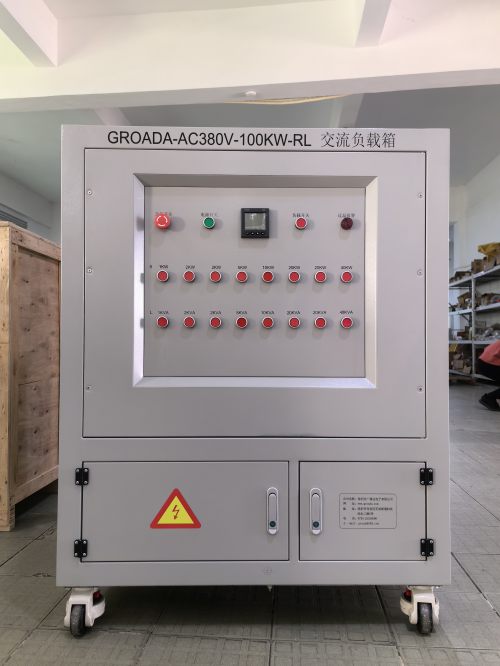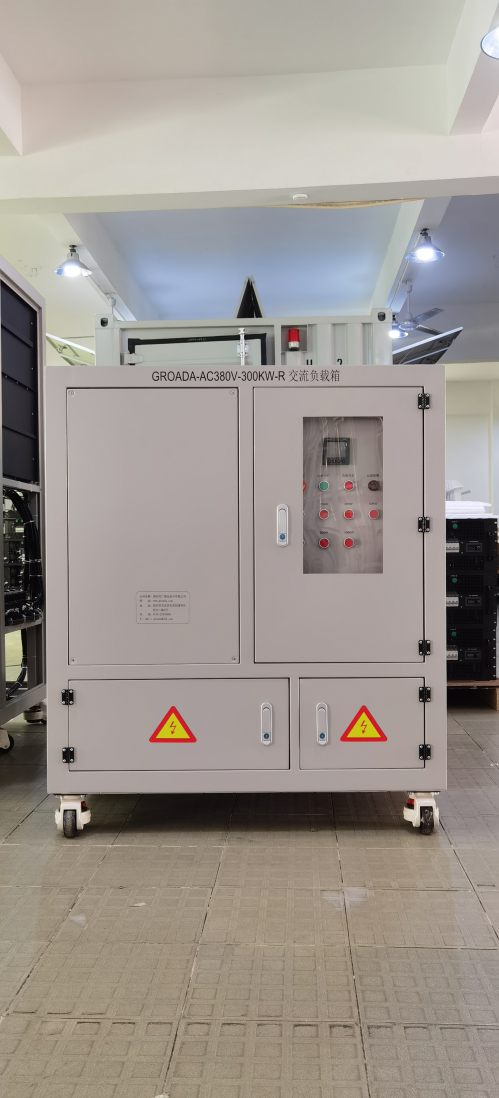
Resistive load banks are essential tools in the testing and validation of electrical power systems, particularly for generators, uninterruptible power supplies (UPS), and renewable energy sources like solar or wind farms. These devices simulate real-world electrical loads by converting electrical energy into heat through resistive elements, allowing engineers to verify system performance under full load conditions without requiring actual consumption.
A properly designed resistive load bank ensures accurate load simulation across single-phase or three-phase configurations, with typical power ratings from 5 kW up to several megawatts. Common voltage levels include 120V, 208V, 240V, 480V, and 600V, while current ranges typically span from 10 A to 300 A per phase. Modern units feature adjustable power factor control (often between 0.8 lagging and 1.0) and precise measurement capabilities—such as active power, reactive power, voltage, and current—with accuracy within ±0.5%.
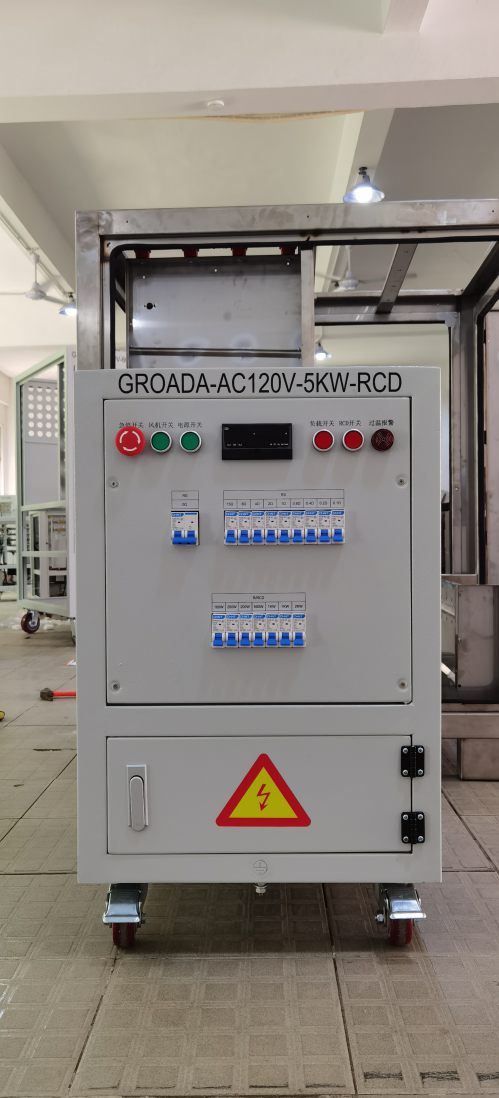
Safety is paramount: certified models comply with IEC 60034-1 (for motor testing) and IEEE 1159 standards for power quality, featuring overtemperature protection, short-circuit protection, and emergency stop functions. Cooling methods vary—from air-cooled fans for portable units to water-cooled systems for high-capacity applications—to manage thermal rise effectively. Portable designs often have IP54 rating, forklift pockets, and lifting eyes for easy transport.
In a simulated example at a data center, a 200 kVA diesel generator was tested using a 150 kW resistive load bank. Over 4 hours of continuous operation, the system maintained stable output voltage and frequency, with no overheating issues detected. Post-test calibration confirmed measurement accuracy within ±0.3%, validating the generator’s readiness for critical backup use.
Regular maintenance—including annual calibration, fan replacement every 2 years, and resistor block inspection—is recommended to ensure long-term reliability. Remote monitoring via Modbus RTU or Ethernet allows operators to track load profiles in real time, enhancing operational efficiency.