
Portable load banks are essential tools in the testing, commissioning, and maintenance of electrical power systems such as generators, uninterruptible power supplies (UPS), and battery storage systems. Designed for flexibility, safety, and precision, modern portable load banks enable engineers and technicians to simulate real-world load conditions under controlled environments—whether in a factory, field site, or emergency preparedness scenario.
A typical portable load bank consists of resistive, reactive, or combination (RLC) elements that draw power from the source being tested and convert it into heat, mimicking actual electrical demand without generating useful output. This allows operators to verify performance parameters like voltage regulation, frequency stability, fuel consumption, emissions, and thermal behavior—all critical for ensuring system reliability before deployment or after servicing.
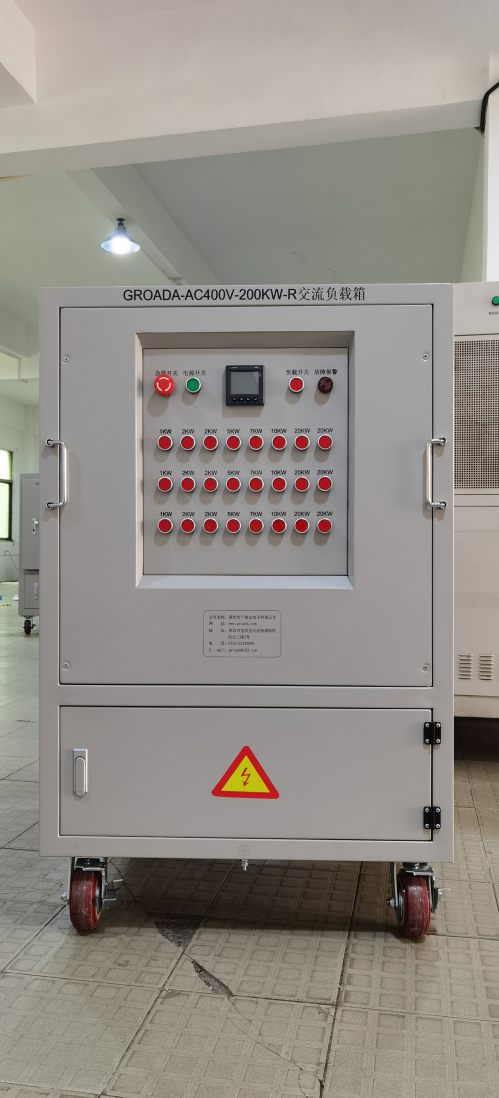
The design of a portable load bank must consider several technical factors: rated power (kW/kVA), voltage level (e.g., 120V/240V single-phase or 480V three-phase), phase configuration, current range, cooling method (air or water), temperature rise limits, control interfaces (Modbus, CAN, Ethernet), and safety protections including overtemperature, short-circuit, and grounding systems. These features align with international standards such as IEC 60034-1 (for motor and generator testing) and IEEE 1159 (power quality monitoring), which guide both equipment design and test procedures for compliance and consistency across industries.
For instance, a 500 kW three-phase resistive load bank may be used during factory acceptance testing (FAT) of a diesel generator to ensure it can sustain full load for at least 1 hour without exceeding 75°C above ambient temperature—a requirement often specified by utility companies or OEMs. Similarly, a 200 kVA portable reactive load bank is ideal for testing the reactive power handling capability of a UPS system in data centers, where power factor correction is crucial for efficient energy use and grid compatibility.
In addition to performance verification, portable load banks support predictive maintenance strategies by identifying issues such as uneven load distribution, harmonic distortion, or inadequate cooling capacity long before failures occur. In one anonymized case study involving a wind farm connected to a 10 MW hybrid inverter system, a portable RLC load bank was used to simulate varying load profiles over 48 hours. The test revealed a significant lag in reactive power response time when the grid voltage dropped below 90%, leading to a firmware update that improved synchronization speed by 40%.
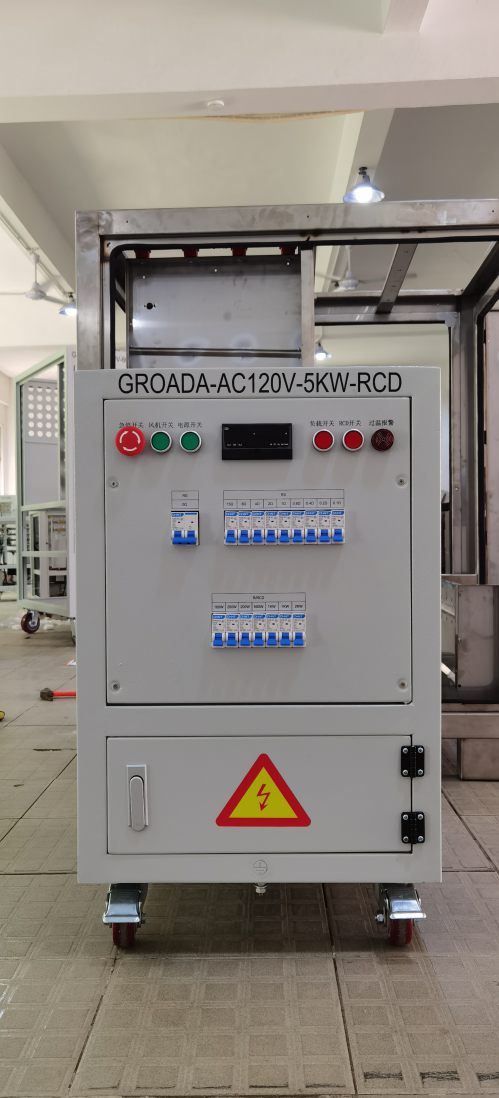
Safety remains paramount. All portable load banks must comply with CE, UL, and CCC certifications depending on regional markets. Key protective measures include E-stop functionality, automatic shutdown at high temperatures (>85°C), surge protection, and dual grounding paths to prevent ground faults. Mechanical durability is equally important; robust chassis construction with IP54 rating ensures resistance to dust and splashing water, while forklift pockets and lifting eyes facilitate safe transport between sites.
Control and communication capabilities have evolved significantly. Modern units offer remote monitoring via Modbus TCP/IP or CANopen protocols, enabling integration into SCADA systems for continuous diagnostics. Some models even support cloud-based analytics platforms for historical data tracking and trend analysis—an increasingly common requirement in smart grid and industrial IoT applications.
Maintenance and calibration schedules are also standardized. Resistor blocks typically require inspection every 6 months, while fan assemblies and thermal sensors should be checked annually. Calibration using certified reference meters (e.g., Fluke 8508A or Keysight N6705C) is recommended once per year to maintain accuracy within ±0.5% for voltage, current, active power, and power factor measurements.
When selecting a portable load bank, users must define their application context: Is this for routine testing, new installation validation, or emergency backup readiness? For example, a small 50 kW unit may suffice for residential generator checks, whereas a large 1000 kW three-phase system might be needed for testing commercial-grade diesel generators at airports or hospitals.
Ultimately, portable load banks represent more than just testing devices—they are foundational tools for building resilient, efficient, and compliant power infrastructure. Whether you're an engineer working on a microgrid project or a procurement manager evaluating vendors, understanding how these systems work, what specifications matter, and how they integrate into broader operations is key to making informed decisions.
To maximize return on investment, look for units with modular designs (allowing incremental upgrades), built-in diagnostics, and clear documentation aligned with industry standards. Also, consider partner training programs offered by manufacturers to ensure your team can operate and interpret results confidently—not just run tests but understand the implications behind each measurement.