
Portable load banks are essential tools for verifying the performance and reliability of generators, especially in field applications such as construction sites, remote power stations, and emergency backup systems. These devices simulate real-world electrical loads by drawing power from a generator and measuring its response under controlled conditions. The introduction of portable load banks has revolutionized maintenance and commissioning practices, enabling engineers to conduct thorough load testing without requiring fixed infrastructure.
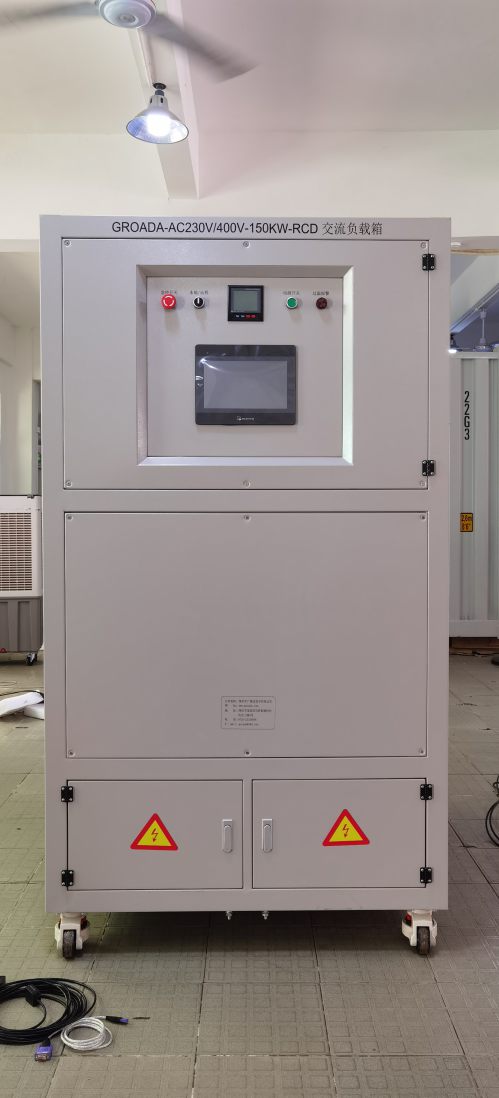
The main body of this article explores the technical characteristics and operational benefits of portable resistive and reactive load banks. A typical portable unit may offer up to 500 kW of resistive load capacity at 480 VAC three-phase, with adjustable power factor control (from 0.8 lagging to 1.0) to mimic various load types—such as motors, lighting, or electronic equipment. Active cooling via high-efficiency fans ensures stable operation even during extended tests, while built-in digital meters provide accurate readings of voltage, current, active power, and power factor. Safety features like overtemperature protection, E-STOP buttons, and CE/UL certification make these units suitable for both industrial and mobile use.
For example, an anonymized case study from a renewable energy project in Australia showed that using a portable RLC load bank during grid integration testing helped identify a generator’s poor transient response at low power factor. After adjusting the excitation system, the generator passed subsequent load tests with improved efficiency. This demonstrates how portable load banks not only validate performance but also support predictive maintenance strategies.
In conclusion, portable load banks serve as critical diagnostic tools for ensuring generator readiness across diverse sectors—from oil & gas to data centers. Their flexibility, precision, and compliance with IEC 60034-1 standards ensure safe and reliable testing outcomes, making them indispensable for modern electrical infrastructure management.