
Resistive load banks are essential tools for verifying the performance, reliability, and safety of power generation systems such as diesel generators, gas turbines, and uninterruptible power supplies (UPS). These devices simulate real-world electrical loads by converting electrical energy into heat through resistive elements—typically high-power wire-wound or ceramic resistors. This process allows engineers to test generator output under controlled conditions before commissioning or during routine maintenance.
According to IEC 60034-1, which defines standard methods for testing rotating electrical machines, load bank testing ensures that a generator meets its rated power output, voltage regulation, and frequency stability under full load conditions. For example, a 500 kW three-phase resistive load bank can be used to perform a full-load test on a generator at 100% of its capacity for up to 8 hours, confirming that it can sustain prolonged operation without overheating or performance degradation.
In addition to resistive load banks, reactive (inductive) and capacitive load banks are often combined in RLC configurations to simulate complex industrial loads—such as motors, transformers, and variable frequency drives—allowing comprehensive testing of power factor correction systems and harmonic behavior. A typical portable three-phase load bank might offer adjustable power factors from 0.8 lagging to 0.8 leading, enabling users to assess how a generator responds to varying load characteristics.
Modern load banks feature advanced control systems with Modbus RTU or Ethernet interfaces for remote monitoring and automated load scheduling. Temperature sensors, thermal protection circuits, and emergency stop (E-STOP) mechanisms ensure safe operation even in unattended environments. Certifications like CE, UL, and CCC guarantee compliance with international safety standards for electrical equipment.
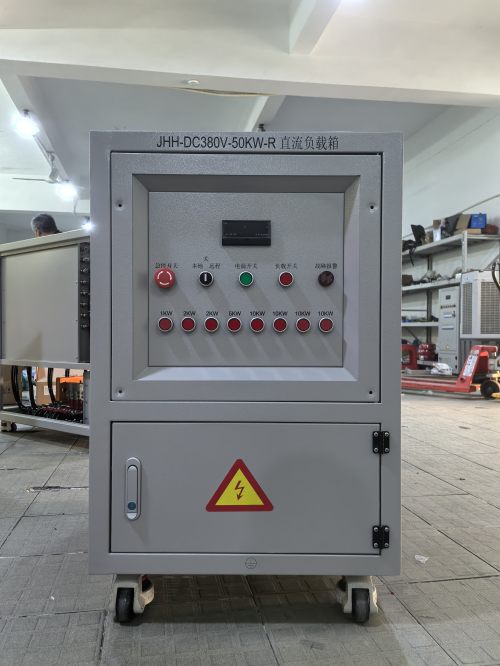
An anonymized case study from a data center in Singapore illustrates this: engineers used a 200 kVA resistive load bank to validate a new diesel generator prior to grid connection. After 4 hours of continuous 100% load testing, they recorded stable voltage (±2%) and frequency (±0.5 Hz), meeting IEEE 1159 requirements for power quality. The test revealed an undersized cooling fan system, prompting a design modification that improved long-term reliability.
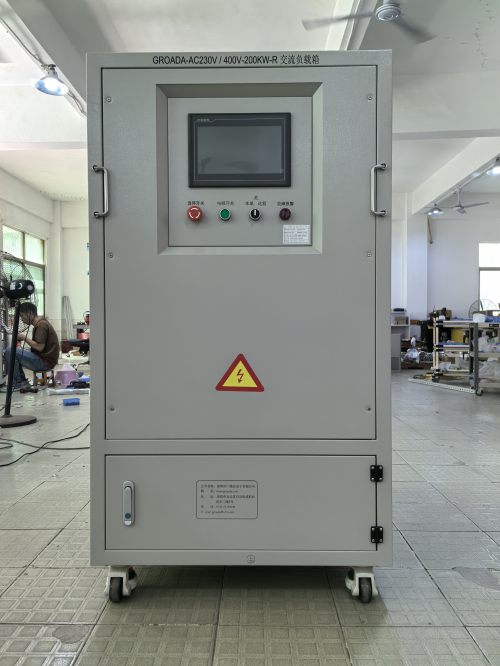
Such tests not only confirm technical readiness but also reduce operational risk—critical for industries where downtime impacts safety, productivity, or regulatory compliance.