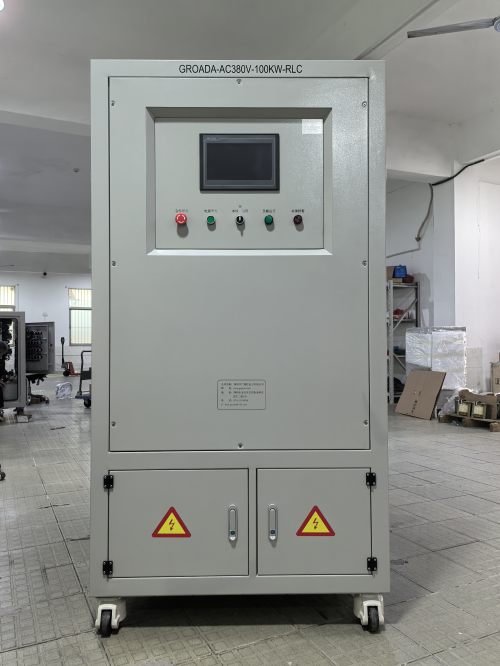
Portable load banks are essential tools for validating the performance, reliability, and safety of electrical power systems—including generators, UPS units, and renewable energy sources like wind and solar farms. Designed for both field and factory use, these devices simulate real-world electrical loads to test equipment under controlled conditions. A typical portable resistive load bank can deliver up to 1,000 kW at 480 V three-phase, with adjustable power factor settings from 0.8 lagging to 1.0 leading, enabling comprehensive testing across various operational scenarios.
For generator manufacturers, portable load banks ensure compliance with IEC 60034-1 and IEEE 1547 standards by verifying output stability, voltage regulation, and frequency response during step-loading tests. In remote locations or emergency backup systems, such as hospitals or data centers, portable reactive load banks (which mimic inductive or capacitive loads) help validate power factor correction systems and prevent harmonic distortion.
Modern portable load banks integrate advanced features like remote monitoring via Modbus RTU or Ethernet, automatic thermal protection, and digital metering (±0.5% accuracy on voltage, current, and power). Units often include IP54-rated enclosures, fork-lift pockets, and modular resistor blocks that allow for scalable configurations—ideal for microgrid commissioning or grid interconnection testing.
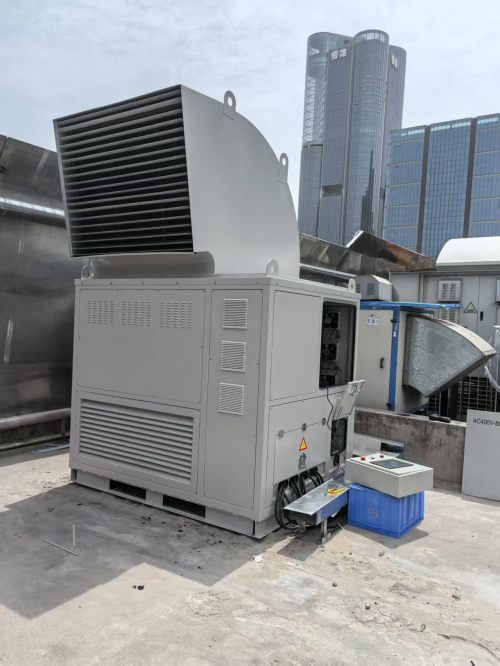
A simulated case study from a U.S. utility company showed that using a 500 kW three-phase resistive load bank for 8-hour continuous testing identified an overheating issue in a diesel generator’s excitation system before deployment—a finding that prevented potential downtime during peak demand periods. This demonstrates how portable load banks not only verify performance but also enhance predictive maintenance strategies.
To maintain long-term accuracy, calibration is recommended annually using NIST-traceable instruments, and fan assemblies or resistor blocks should be replaced every 3–5 years depending on usage intensity. Compliance with CE, UL, and CCC certifications ensures safe operation across international markets.