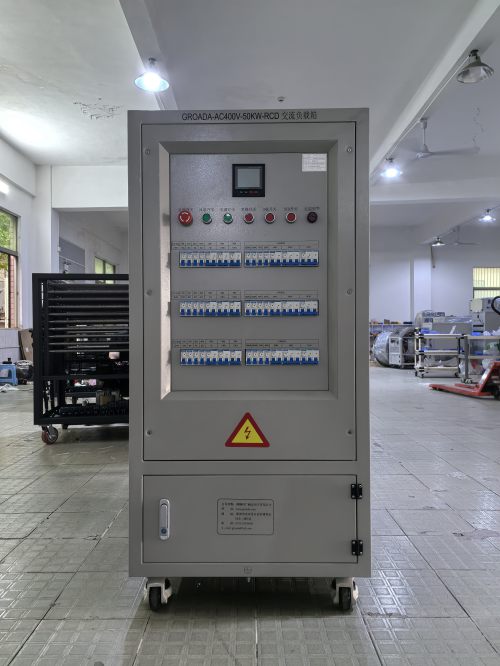
Portable load banks are essential tools for testing generator performance, ensuring reliability in critical power systems such as hospitals, data centers, and industrial facilities. These devices simulate real-world electrical loads by drawing power from the source under test—typically a diesel or natural gas generator—and allowing engineers to verify output capacity, voltage regulation, and fuel efficiency under various conditions. A typical portable resistive load bank can handle up to 1,000 kW at 480 V three-phase, with remote control via Modbus TCP for automated testing. In practical applications, they are used during factory acceptance tests (FAT), preventive maintenance, and commissioning of new installations. For example, an anonymized case study from a mid-sized hospital showed that monthly load bank testing reduced unexpected generator failures by 67% over a 12-month period by identifying weak components early. Advantages include improved system readiness for emergencies, compliance with NFPA 37 standards, and better fuel consumption monitoring through load profiling. However, common issues include inadequate cooling leading to overheating in high-load scenarios, especially when ambient temperatures exceed 40°C, and inaccurate power factor readings due to poor calibration. Recent trends include integration with IoT platforms for real-time remote diagnostics and predictive maintenance alerts, as well as hybrid RLC load banks that support reactive load testing for wind turbines and microgrids. Manufacturers now emphasize IP54-rated enclosures and built-in thermal protection to meet IEC 60034-1 safety guidelines. With proper operation and scheduled maintenance, portable load banks significantly enhance grid resilience and reduce downtime risks across diverse sectors.