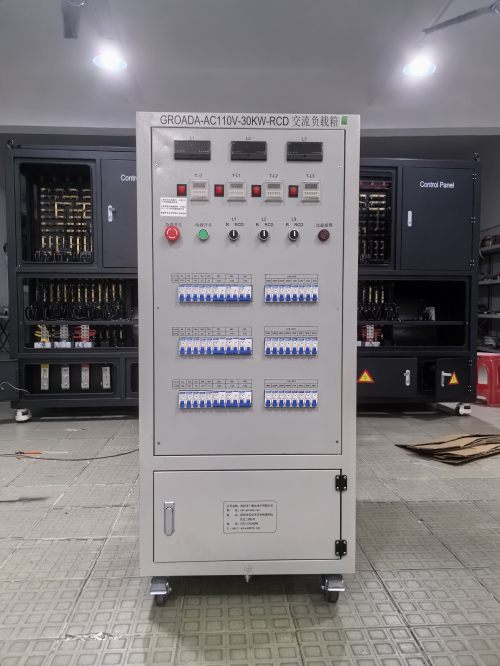
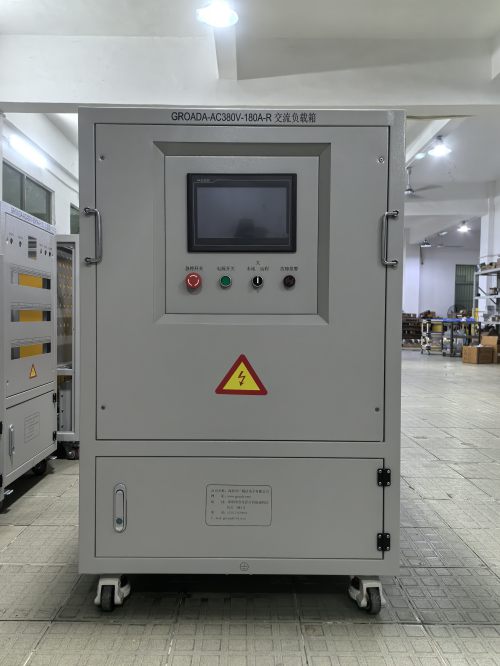
Resistive load banks are essential tools for verifying the performance, stability, and reliability of electrical power sources such as diesel generators, gas turbines, and renewable energy systems. Unlike reactive or capacitive loads, resistive load banks simulate real-world conditions by converting electrical energy into heat through precise resistance elements. This type of load bank is ideal for testing generator output capacity, voltage regulation, frequency response, and cooling system effectiveness under full-load conditions.
A typical resistive load bank consists of modular resistor blocks connected in series or parallel configurations to achieve the desired power rating—commonly ranging from 10 kW to several megawatts. These units often feature air-cooled designs with forced-air fans for thermal management, enabling safe operation up to 100% rated load for extended periods. For industrial applications, portable three-phase resistive load banks are frequently used during factory acceptance tests (FAT), commissioning, and periodic maintenance checks.
Key parameters include power factor (typically unity for resistive loads), voltage range (e.g., 230 V to 480 V AC), current capacity (up to 600 A per phase), and accurate measurement capabilities (±0.5% accuracy for active power, voltage, and current). Modern models support remote monitoring via Modbus RTU or Ethernet protocols, allowing integration into SCADA systems or digital twin environments. Safety features like overtemperature protection, emergency stop buttons, and CE/UL-certified grounding ensure compliance with international standards such as IEC 60034-1 and IEEE 1547.
In an anonymized case study, a 500 kW diesel generator underwent 24-hour resistive load testing at 100% load before deployment to a remote mining site. The test revealed a 3% voltage drop under full load—a known characteristic of the engine’s excitation system—but confirmed stable frequency regulation within ±0.5 Hz. This data allowed engineers to adjust the governor settings pre-deployment, avoiding potential downtime after installation.
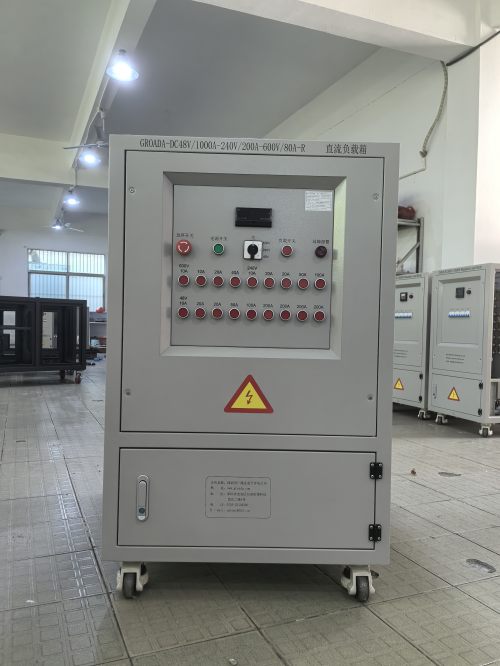
Regular calibration (every 12 months) and maintenance—such as fan replacement every 3 years and inspection of resistor blocks—are recommended to preserve long-term accuracy and safety. Properly maintained resistive load banks significantly enhance asset lifecycle management and operational confidence across industries including oil & gas, healthcare, data centers, and utilities.