
Load bank testing is a critical process used to validate the performance, reliability, and safety of generators, UPS systems, and renewable energy sources like wind turbines or solar inverters. Unlike real-world loading conditions that may be inconsistent or unavailable during commissioning, a load bank simulates electrical demand by converting electrical energy into heat using resistive, reactive, or combination (RLC) circuits. This allows engineers to test equipment under controlled, repeatable conditions before it is deployed in operational environments.
Resistive load banks are the most common type, mimicking purely resistive loads such as lighting or heating elements. They are ideal for testing generator mechanical capacity, voltage regulation, and fuel system response. Reactive load banks, on the other hand, simulate inductive or capacitive loads—common in motor-driven systems or industrial equipment—and help assess power factor correction and reactive power handling. A combination RLC load bank provides both resistive and reactive capabilities, making it suitable for comprehensive load testing of three-phase systems, especially in data centers or microgrid installations where power quality must meet strict standards.
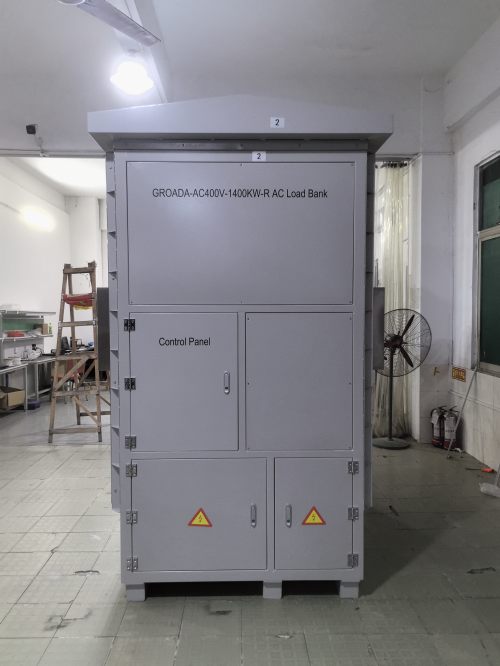
Modern load banks often feature advanced controls, including remote monitoring via Modbus RTU, Ethernet, or CAN bus protocols. These interfaces allow automated testing schedules, real-time measurement of active power (kW), reactive power (kVAR), and power factor, as well as temperature monitoring and thermal protection systems to prevent overheating. According to IEC 60034-1, motors and generators must undergo full-load tests to ensure compliance with efficiency and insulation class requirements—load bank testing is essential to fulfill these benchmarks.
For portable applications, load banks are designed with IP54-rated enclosures, lifting eyes, and fork-lift pockets for easy transport. Typical ratings range from 50 kW to over 2 MW, with voltage levels spanning 120V to 15 kV, and current ranges up to 2000 A per phase. Thermal management is crucial; air-cooled units rely on high-efficiency fans, while water-cooled models offer higher power density for continuous testing in confined spaces.
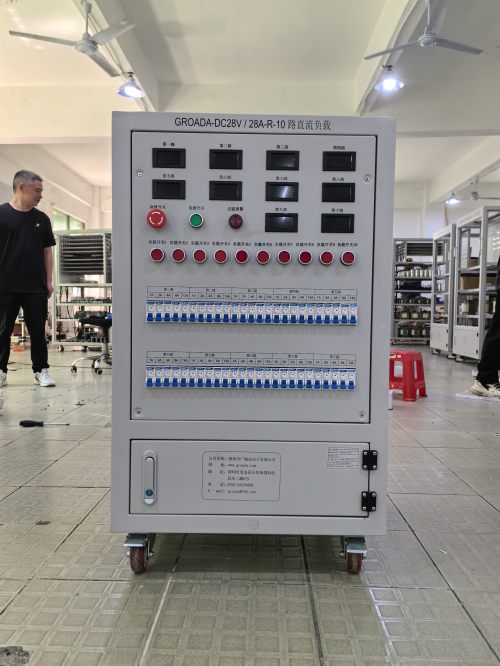
In an anonymized case study from a renewable energy farm, a 500 kW resistive load bank was used to verify turbine grid synchronization prior to commercial operation. Over a 48-hour test period, the system maintained stable output within ±2% voltage deviation and met all IEEE 1547 interconnection criteria. Similarly, a hospital’s backup generator system underwent quarterly load testing using a 100 kVA three-phase reactive load bank to confirm adequate start-up torque and steady-state voltage regulation under simulated peak loads.
These applications highlight how proper load bank selection and implementation directly impact system uptime, regulatory compliance, and long-term asset health.