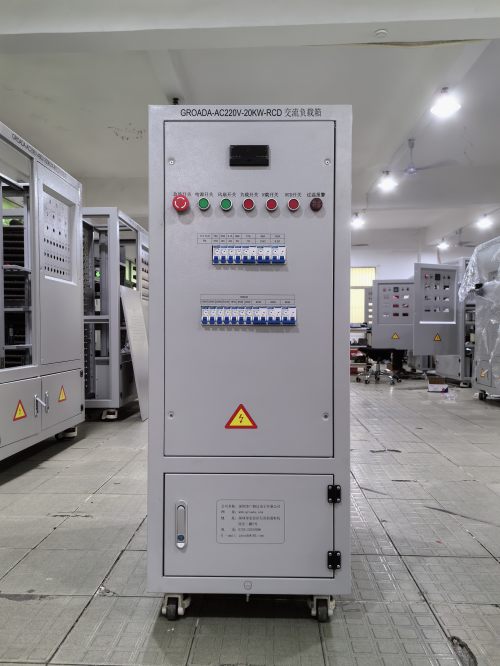
Portable load banks are essential tools for verifying the performance, reliability, and safety of electrical power systems—especially generators used in critical infrastructure, data centers, hospitals, and industrial facilities. Unlike fixed load banks, portable units offer flexibility in testing locations, enabling field-based validation without requiring permanent installation. This makes them ideal for factory acceptance tests (FAT), commissioning, preventive maintenance, and emergency readiness checks.
The main body of this article explores how resistive, reactive, and combination (RLC) load banks function under real-world conditions. Resistive load banks simulate pure resistive loads like lighting or heating systems, while reactive load banks emulate inductive or capacitive loads from motors or capacitor banks. A three-phase portable load bank can be configured to test balanced or unbalanced loads across all phases simultaneously—a key requirement for modern generator sets operating at full capacity. These systems typically feature programmable step-wise loading, remote monitoring via Modbus or Ethernet, and thermal protection that prevents overheating during prolonged operation.
Testing with a portable load bank helps identify issues such as poor voltage regulation, inadequate fuel delivery, or mechanical wear before they cause operational failures. For example, an anonymized case study involving a 1 MW diesel generator at a remote telecom site revealed that after 6 months of continuous use without load testing, the engine’s governor response time increased by 30%. Post-load test adjustments reduced it back to baseline within two hours—demonstrating the value of regular load bank usage in maintaining system integrity.
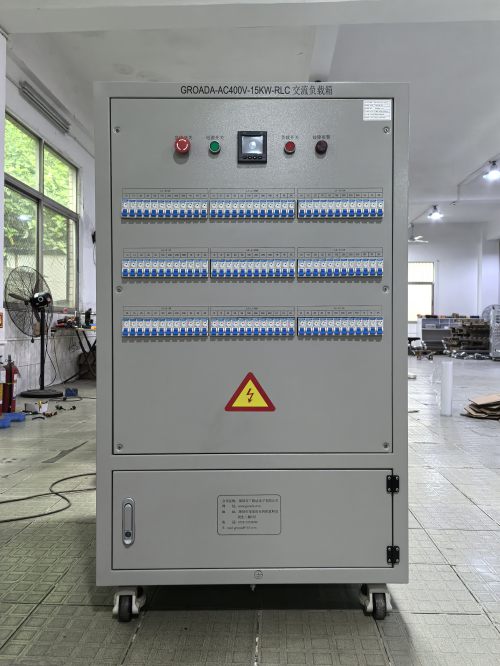
Key technical parameters include rated power (from 5 kW up to 2 MW), voltage levels (230/400 VAC single-phase or three-phase), current ranges (up to 1,000 A per phase), and adjustable power factor settings (typically 0.8 lagging to 0.9 leading). Cooling methods vary—air-cooled units are common for smaller systems, while water-cooled options handle higher continuous loads efficiently. Safety features such as E-STOP, overtemperature cutoffs, and grounding compliance with IEC 60034-1 ensure safe operation even in harsh environments.
In conclusion, portable load banks are indispensable for ensuring power system resilience. Their versatility, accuracy, and ability to mimic actual load profiles make them vital assets for any organization relying on backup or prime power sources. When combined with proper calibration and scheduled testing intervals, these tools provide measurable improvements in uptime, efficiency, and regulatory compliance.