
Portable load banks are essential tools in the testing and validation of power generation systems, particularly for generators used in industrial, commercial, and emergency backup applications. These devices simulate real-world electrical loads to assess a generator’s ability to perform under various conditions—from full-load operation to transient response—ensuring reliability before critical use. A typical portable resistive load bank can deliver up to 500 kW of power at 480 VAC three-phase, with adjustable load steps from 10% to 100% of rated capacity. This flexibility allows technicians to conduct partial-load tests or full-rated performance checks without requiring external grid connections.
One key advantage is that portable load banks enable factory acceptance testing (FAT), commissioning, and preventive maintenance of diesel or natural gas-powered generators. For instance, in remote mining operations, where generator uptime is crucial, regular load testing prevents stalling or poor fuel combustion due to infrequent usage—a common issue when units sit idle for extended periods. According to IEC 60034-1, motors and generators must be tested under varying load conditions to verify mechanical integrity and thermal stability, making portable load banks not just convenient but also compliant with international standards.
Common problems include overheating due to inadequate ventilation, especially in enclosed spaces or during prolonged high-load tests. To address this, modern load banks incorporate active cooling systems such as variable-speed fans and heat dissipation modules that maintain internal temperatures below 70°C under continuous operation. Another frequent challenge is improper load distribution across phases; using a three-phase load bank with balanced phase control ensures even current flow and avoids tripping protection relays.
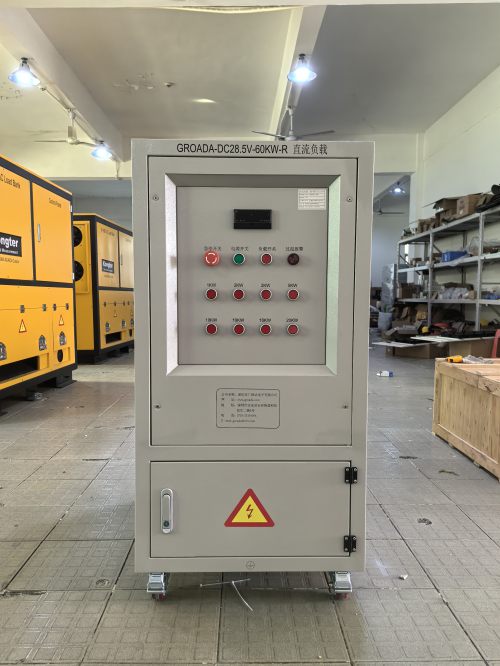
Recent trends show increasing adoption of smart load banks equipped with digital interfaces like Modbus RTU or Ethernet communication, enabling remote monitoring via SCADA systems or cloud-based platforms. These innovations reduce labor costs and improve safety by minimizing on-site personnel exposure during long-duration tests. In an anonymized case study from a hospital facility, a 200 kW portable reactive load bank was used to test a backup generator system over 24 hours. The test revealed a 5% voltage drop at full load, prompting adjustments to the automatic voltage regulator (AVR) settings—an improvement that enhanced power quality during actual outages.
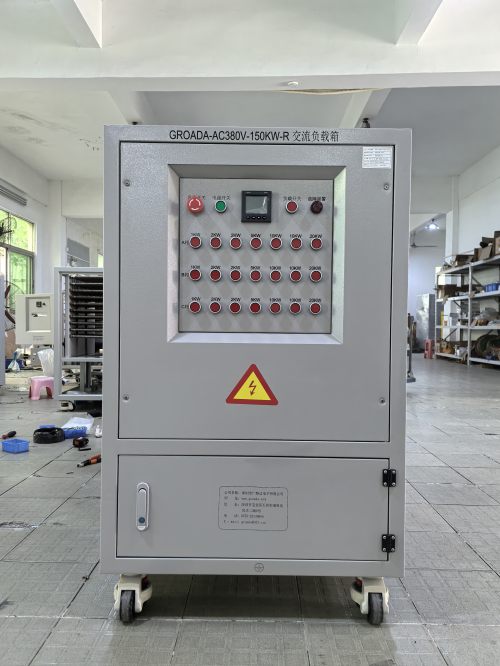
As demand grows for reliable off-grid energy solutions in microgrids and renewable integration projects, portable load banks will continue to evolve, integrating real-time data analytics and predictive diagnostics. Their role in ensuring generator readiness, preventing costly downtime, and supporting sustainable energy infrastructure makes them indispensable for engineers, facility managers, and procurement teams worldwide.









