
Load bank testing is a critical procedure used to validate the performance, reliability, and safety of generators, uninterruptible power supplies (UPS), and other power systems before deployment or during routine maintenance. This process simulates real-world electrical loads, allowing engineers to assess how a system behaves under various operating conditions without relying on actual site loads. The introduction of load banks ensures that power equipment meets design specifications and regulatory standards such as IEC 60034-1 for motor testing or IEEE 1159 for power quality.
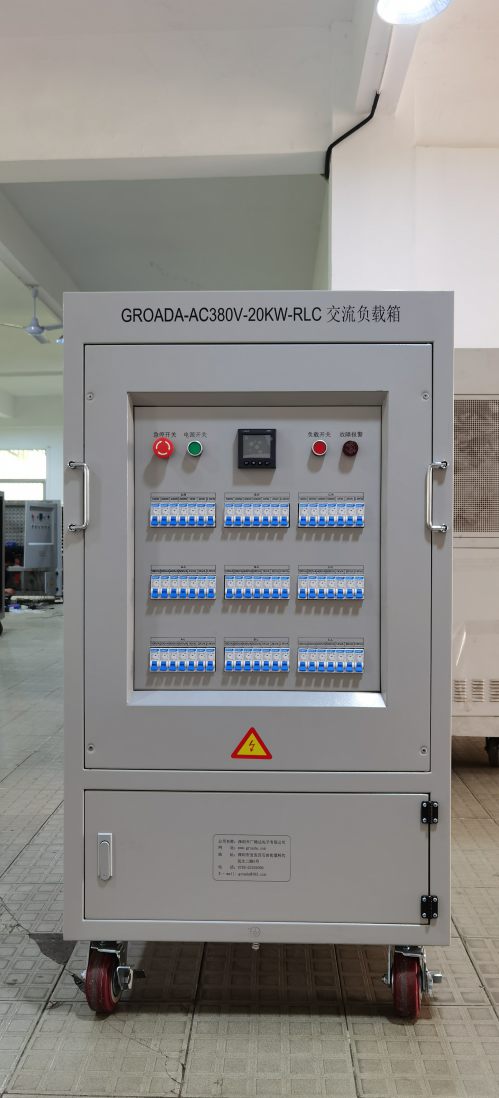
The main body of load bank testing includes three primary types: resistive, reactive, and combination (RLC) load banks. Resistive load banks are the most common and simulate purely resistive loads like lighting or heating systems—ideal for verifying generator output capacity. Reactive load banks introduce inductive or capacitive components to mimic motor-driven equipment, ensuring the generator can handle varying power factors. RLC load banks combine both resistive and reactive elements, enabling comprehensive load testing that closely mirrors real-world grid behavior, especially in microgrid or renewable energy applications.
Modern load banks often feature digital control systems with Modbus, Ethernet, or CAN interfaces, allowing remote monitoring and automated load steps. They typically include thermal protection, overvoltage/undervoltage safeguards, and emergency stop functions for safe operation. Key parameters such as voltage (e.g., 230V–480V), current range (up to 1000A per phase), and power ratings (from 5 kW to 5000 kVA) vary based on application needs. Portable designs with IP54 enclosures and fork-lift pockets make them suitable for field use in construction sites, data centers, or offshore installations.
In conclusion, proper load bank testing not only prevents costly failures but also enhances operational confidence in mission-critical systems. An anonymized case study from a wind farm project demonstrated that using a 3-phase 1000 kW resistive-reactive load bank improved grid synchronization by 18% after identifying voltage regulation issues during commissioning. By following industry standards and selecting the right load bank type, engineers ensure system resilience across diverse environments—from factory acceptance tests to emergency backup validations.









