
A load bank is an essential test equipment used in the evaluation, validation, and performance verification of power generation systems such as diesel generators, gas turbines, and renewable energy inverters. Its primary function is to simulate real-world electrical loads by converting electrical energy into heat, allowing engineers to test how a generator or power source behaves under controlled conditions. Unlike natural loads like motors or lighting, a load bank provides consistent, adjustable, and repeatable load profiles—critical for factory acceptance testing (FAT), commissioning, and routine maintenance.
There are three main types of load banks: resistive, reactive, and combination (RLC). A resistive load bank simulates purely resistive loads like incandescent lighting or heating elements, offering 100% real power (kW) without any reactive component. It is ideal for testing engine cooling, fuel system efficiency, and mechanical integrity. A reactive load bank introduces inductive or capacitive reactance, mimicking motor-driven systems or grid-connected inverters with low power factor. This type tests voltage regulation, excitation system response, and alternator capability under varying power factors. A combination load bank allows simultaneous application of both resistive and reactive loads, enabling comprehensive generator performance analysis across full load ranges—from no-load to 100% rated capacity—as per IEC 60034-1 standards for rotating machines.
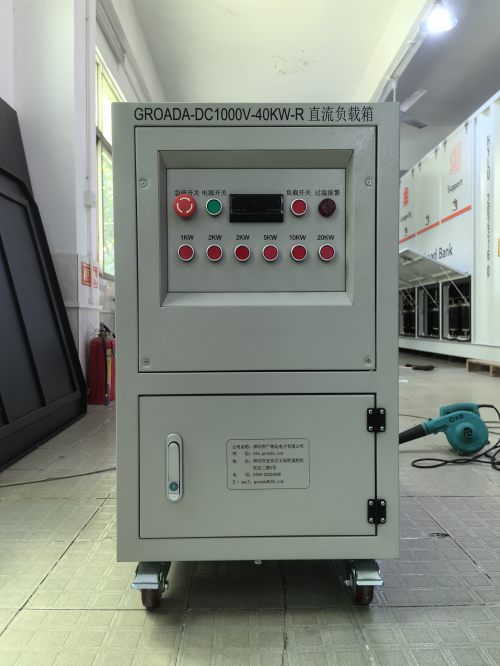
Modern load banks feature advanced control systems including remote monitoring via Modbus TCP, CAN bus, or Ethernet interfaces. They often include integrated digital meters for precise measurement of voltage, current, active and reactive power, and power factor—with accuracy within ±0.5%. Thermal protection mechanisms, such as temperature sensors and automatic shutdowns, ensure safe operation during extended testing periods. For portable applications, load banks are designed with IP54-rated enclosures, lifting eyes, and fork-lift pockets to support easy transport and field deployment.
An anonymized case study from a 2 MW diesel generator installation shows that using a three-phase resistive-reactive load bank enabled operators to identify poor voltage regulation at 75% load due to aging AVR components—an issue not detectable under partial load. After replacement, the generator passed subsequent load tests with all parameters within ±1% tolerance. Another simulated example involving a microgrid connected to solar inverters demonstrated that reactive load bank testing improved inverter stability by validating reactive power compensation logic before grid synchronization.
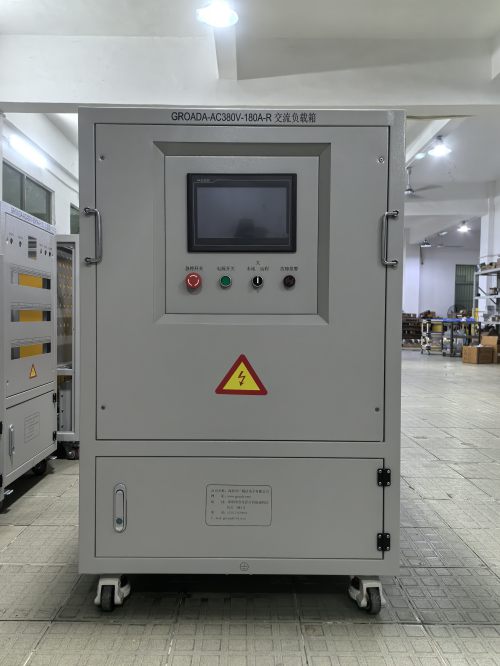
In summary, the function of a load bank goes beyond simple loading—it enables predictive maintenance, compliance with safety standards, and optimization of system efficiency. Whether used in industrial facilities, data centers, or renewable energy projects, it remains indispensable for ensuring reliable power delivery under real-world conditions.