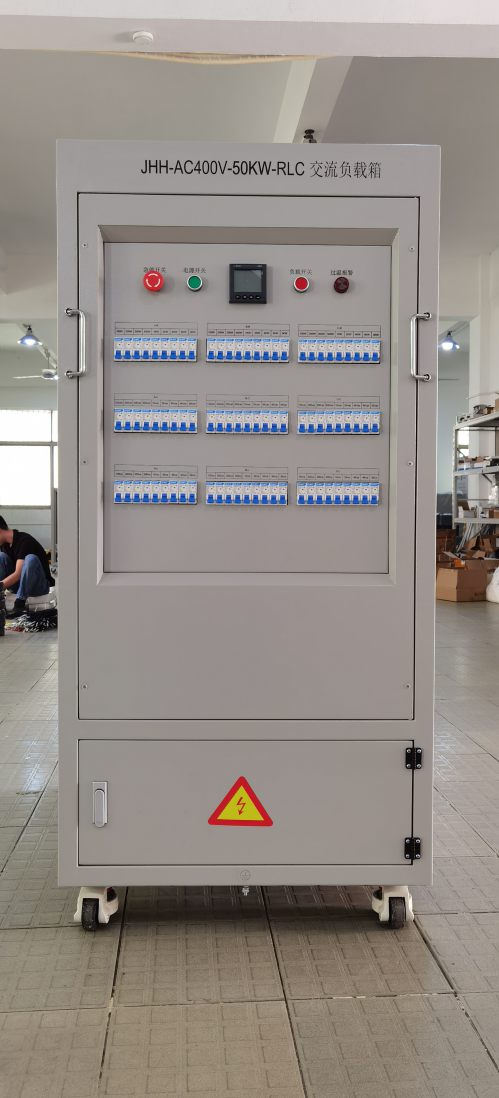
Resistive load banks are essential tools in the testing and validation of power generation systems, especially for diesel or natural gas-powered generators. They simulate real-world electrical loads by converting electrical energy into heat through resistive elements. This process ensures that a generator can operate efficiently under full-load conditions without overheating or failing during critical operations.
The main body of this discussion focuses on how resistive load banks contribute to comprehensive generator performance assessment. First, they allow engineers to verify the rated output capacity—typically expressed in kilowatts (kW)—by applying precise resistive loads at different percentages of full capacity (e.g., 25%, 50%, 75%, 100%). Second, these tests help validate cooling system effectiveness, as heat dissipation must be managed safely within the generator enclosure. Third, resistive load testing supports compliance with international standards such as IEC 60034-1 (for electric motor and generator performance) and IEEE 1159 (power quality). These standards mandate periodic load testing to ensure reliability and safety, particularly in industrial, commercial, and emergency backup applications.
In addition to basic functionality, modern resistive load banks often include advanced features like remote control via Modbus or Ethernet, temperature monitoring, automatic shutdown on overheat, and precise measurement accuracy (±1% for voltage, current, and active power). Some units are designed for portability—with fork-lift pockets, IP54 enclosures, and air-cooled designs—to facilitate field use at construction sites, data centers, or remote power stations.
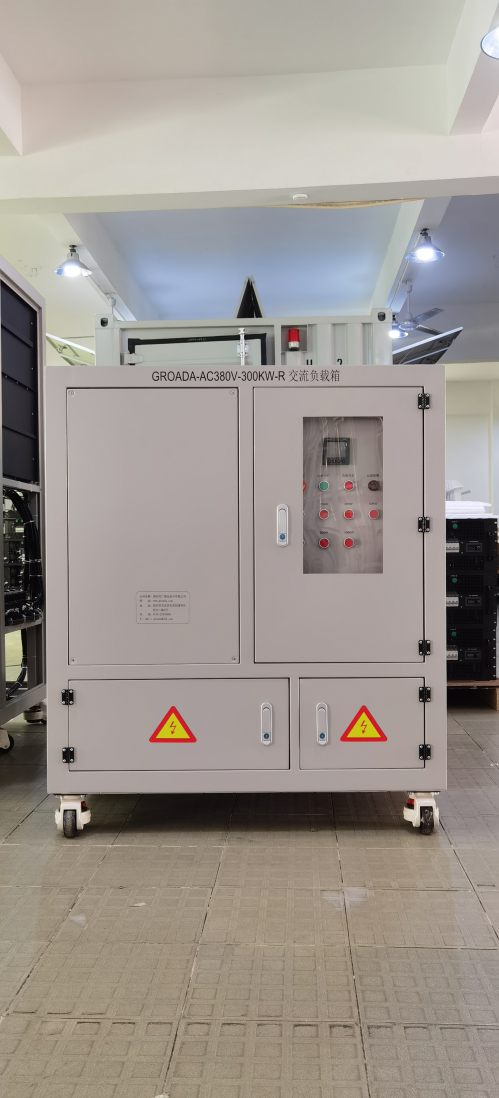
A simulated example from a wind farm commissioning project shows that using a three-phase resistive load bank helped confirm the generator’s ability to handle sudden load changes typical in grid-connected renewable systems. The test revealed minor voltage dips during transient events, prompting adjustments in the Automatic Voltage Regulator (AVR) settings. Such insights improve system stability before operational deployment.
In conclusion, resistive load banks are not just diagnostic equipment—they are vital for ensuring generator longevity, safety, and regulatory compliance. Whether used in factory acceptance testing, maintenance routines, or integration into microgrids, their role in verifying real-world performance cannot be overstated.